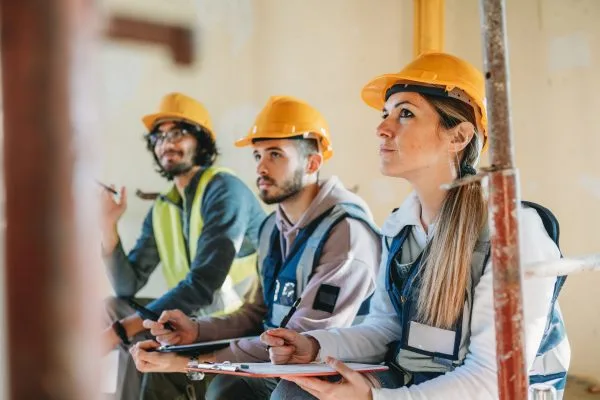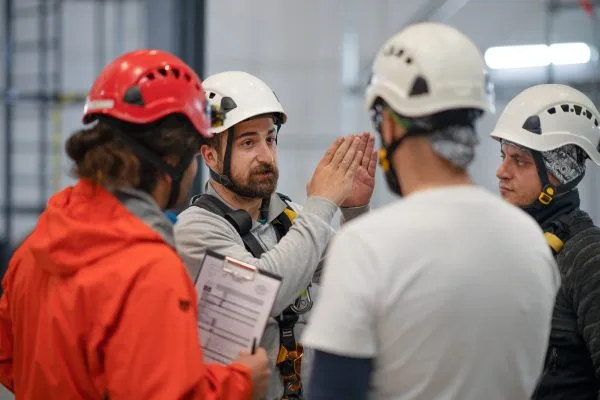



Health and safety at work: a key issue for companies
Occupational health and safety (OHS) plays a central role in the functioning of organizations. It directly influences employee well-being, engagement, and daily efficiency.
Heavily regulated, occupational health and safety (OHS) covers many areas: prevention of occupational risks, improvement of working conditions, fight against accidents and occupational diseases, but also human, economic and social issues.
Setting up an effective organization involves, in particular, having trained employees, such as workplace first aiders (SST), who are able to intervene quickly in the event of an incident and contribute to risk prevention.
A structured regulatory framework
The Labour Code defines employers' obligations regarding health and safety. It mandates the implementation of a comprehensive prevention approach, integrated into the organization of the company.
This translates into various actions: improving the quality of working life, providing suitable equipment, monitoring occupational risks, preventing psychosocial risks, and training certain employees on safety issues.
Companies are also encouraged to structure their approach through recognized frameworks, such as ISO standards or the principles of corporate social responsibility (CSR).
Human and economic impacts
Beyond legal obligations, occupational health and safety (OHS) represents a strategic lever. A well-executed prevention policy helps protect employee health and reduce workplace accidents.
This has direct effects on performance: reduced absenteeism, lower costs related to incidents and improved productivity.
Furthermore, a company committed to prevention strengthens its image with its customers, partners, and future employees. It enhances its social responsibility and becomes more attractive in its market.
Levers for improving occupational health and safety
Train and raise awareness among the teams
Training is an essential pillar of any occupational health and safety (OHS) approach. Training employees in the role of workplace first aiders allows them to react effectively in the event of an accident.
This certification, valid for two years, must be regularly renewed to keep skills up to date. In addition, awareness campaigns help to firmly establish good practices within teams.
Training managers and supervisors is also an important lever for spreading a culture of prevention at all levels of the company.
Implement prevention measures
Improving working conditions requires implementing concrete measures tailored to the identified risks. This may include installing safety equipment, providing personal protective equipment, conducting audits, or formalizing emergency procedures.
Encouraging good professional practices and developing a safety culture on a daily basis are also key success factors.
Assessing occupational risks
Risk assessment is an essential obligation for employers. It is formalized in particular by the single document for the assessment of occupational risks (DUERP), which is mandatory from the moment the first employee is hired.
This approach is based on several principles: identifying hazards, avoiding risks when possible, acting at the source, adapting workstations and prioritizing collective protections.
It also involves planning prevention actions, keeping skills up to date and regularly informing employees about risks and measures in place.
A comprehensive and sustainable approach
Health and safety at work are not limited to a regulatory obligation: they constitute a real lever for sustainable performance.
By investing in prevention, training and continuous improvement of working conditions, companies reduce occupational risks, strengthen team engagement and create a safer environment.
MD Conseil Formation supports organizations in this process by offering tailored training to develop skills, structure prevention actions and establish a lasting safety culture.