


Risk analysis for workplace accidents: a key step in protecting employees
Analyzing workplace accident risks is an essential step in preventing hazards, securing workstations, and providing long-term protection for employees. It involves identifying situations that could lead to an accident before an event occurs.
This approach allows the company to reduce the human, social, legal, and financial risks associated with workplace accidents. It also helps to develop a genuine culture of prevention, shared by employees, managers, senior management, and employee representatives.
Why analyze the risks of workplace accidents?
Risk analysis pursues several essential objectives. First, it helps to identify dangerous situations that could lead to an accident, an incident, an occupational disease, or a deterioration of working conditions.
It then helps the company to understand the possible causes of an undesirable event: poor organization, unsuitable equipment, lack of training, repetitive actions, exposure to hazardous products, physical constraints or lack of clear instructions.
Based on this assessment, the employer can define a precise action plan to eliminate risks where possible, or to reduce them as much as possible. This approach also helps improve work organization, strengthen employee protection, and meet regulatory obligations regarding occupational health and safety.
The information gathered can finally be used as educational support: analysis sheets, dashboards, internal reports, awareness campaigns or training for teams.
The main stages of risk analysis
An effective analysis relies on a structured method. The first step is to collect available information. This may include on-site observations, job descriptions, feedback from past experiences, accidents or incidents that have already occurred, as well as discussions with employees, managers, and members of the Works Council.
The second step aims to study work situations in concrete terms. For each position or activity, the goal is to identify what could cause harm: dangerous machinery, handling, falls, noise, chemicals, internal traffic, mental workload, awkward postures, or repetitive movements.
Next comes risk prioritization. Each risk is assessed according to several criteria, such as its potential severity, frequency of exposure, probability of occurrence, and the number of people affected. This classification allows the most significant risks to be addressed as a priority.
The company must then define appropriate prevention measures. These can be technical, such as securing a machine; organizational, such as modifying an operating procedure; or human, such as training employees and reminding them of instructions.
Finally, the action plan must be monitored over time. The measures implemented must be reviewed, adjusted if necessary, and communicated to the teams. This communication can take the form of meetings, posters, internal newsletters, or regular safety briefings.
The tools used to assess risks
Several tools can be used to carry out a reliable analysis of workplace accident risks. The best known is the single document for the assessment of occupational risks, or DUERP, which lists the risks identified in the company and the associated prevention measures.
Assessment grids are also useful for classifying risks according to their level of criticality. They allow for cross-referencing the severity of damage with its probability of occurrence.
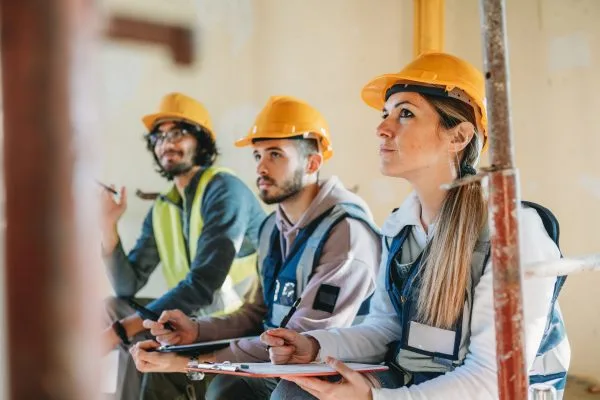
Site visits, job observations, and interviews with employees provide a concrete view of the actual work. They make it possible to identify discrepancies between planned procedures and practices actually carried out.
The fault tree analysis is a particularly useful method after an accident or incident. It allows us to trace the root causes of the event in order to prevent it from happening again.
FMEA, or Failure Mode and Effects Analysis, can also be used to anticipate possible failures of equipment, a process, or an organization.
The analysis can be based on several criteria: severity of the damage, frequency of exposure, possibility of avoiding the danger, effectiveness of existing protections, history of accidents, feedback from employees and opinions of staff representatives.
Train teams in risk analysis
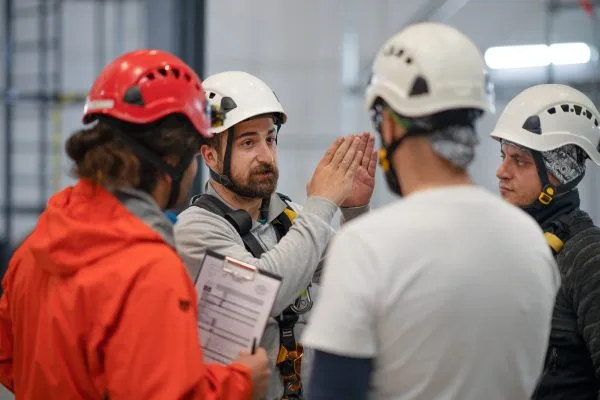
To be effective, risk analysis must be carried out by trained individuals. Managers, members of the Works Council, safety representatives, and exposed employees must understand the principles of prevention and know how to identify hazardous situations.
MD Conseil Formation supports companies in this process through training programs tailored to occupational health and safety challenges. These programs can be delivered in person, remotely, on-site, or customized to meet the organization's specific needs.
The training programs offered provide a clear method for identifying hazards, assessing risks, developing an action plan, and monitoring preventive measures. They also contribute to improving working conditions, reducing occupational illnesses, and decreasing accidents.
Implementing a structured risk analysis means taking action before an accident occurs. It also means providing employees with a safer work environment, strengthening regulatory compliance, and integrating prevention into the company's daily practices.
To go further, MD Conseil Formation can support your teams in choosing training adapted to your risks, your sector of activity and your prevention objectives.