


Self-employed workers: what are the health and safety issues at work?
Unlike salaried employees, self-employed workers are not automatically subject to the Labor Code. However, they remain subject to certain health and safety obligations, particularly when working in hazardous environments or interacting with other professionals.
These rules aim to protect not only the self-employed individual, but also those who may be exposed to their activity: clients, partners or other stakeholders.
Specific obligations depending on the activity
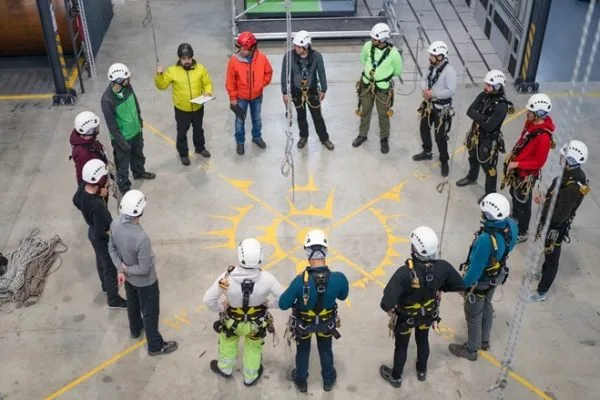
In certain sectors, such as construction or public works, the requirements are particularly strict. Independent professionals must comply with specific rules to guarantee safety on construction sites, particularly regarding organization, coordination, and risk prevention.
They also have the option of joining an occupational health and safety service. This allows them to benefit from personalized support, including medical monitoring and advice on assessing and securing their work environment.
A protection to be completed
Unlike salaried employees, self-employed individuals do not automatically benefit from coverage in the event of a workplace accident or occupational illness. To protect themselves, they can take out voluntary insurance with the Social Security system, which provides them with appropriate coverage in case of an incident.
This approach is essential to secure their business and anticipate the financial consequences of an accident or health problem.
Why train in health and safety?
Self-employed workers are exposed to many risks, often similar to those encountered in businesses.
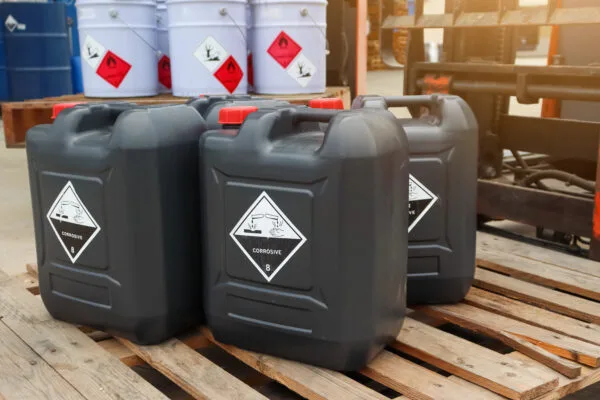
They may face physical hazards, such as falls or musculoskeletal disorders, but also chemical risks in certain professions (hazardous products, solvents, specific treatments).
Psychosocial risks should not be overlooked: isolation, economic pressure, significant mental workload or lack of structured framework can strongly impact their health.
Finally, organizational or technical failures, such as a lack of equipment or insufficient signage, can also generate dangerous situations.
The training helps to identify these risks, to better understand them and to implement prevention measures adapted to each activity.
What training programs are available for freelancers?
Independent professionals can access different types of training depending on their needs. Some training focuses on the prevention of psychosocial risks, in order to better manage stress, workload, or isolation.
Others are more technical and specific to a profession or sector of activity. It is also possible to opt for customized training programs, designed according to professional constraints and regulatory obligations.
MD Conseil Formation offers programs tailored to freelancers, accessible in person or remotely, in order to meet the realities on the ground and the specific challenges of each profession.
How to choose the right training program?
The choice of a training program should be guided by several criteria. The nature of the work performed is a determining factor, particularly for technical or regulated professions.
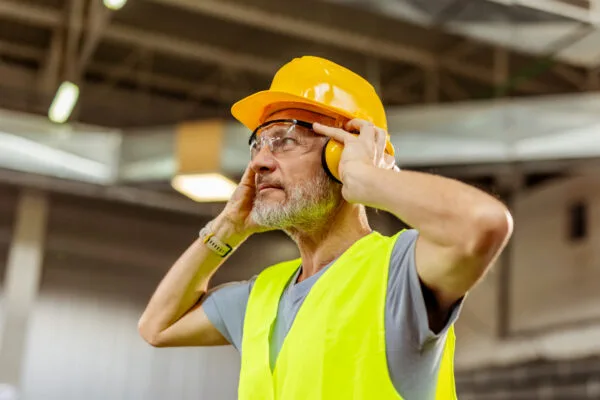
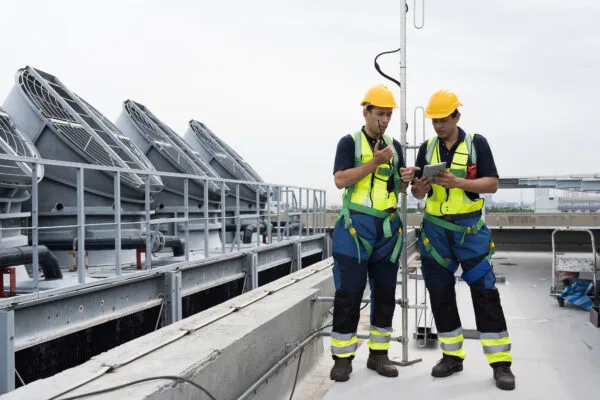
The risks identified within the context of the activity must also be taken into account: exposure to chemicals, working at height, noise, isolation or stress.
Finally, the objectives pursued guide the decision: complying with a regulatory obligation, accessing new markets or simply improving working conditions.
Training in health and safety, when you are self-employed, is an investment in the sustainability of your business, protecting your health and strengthening the quality of your services.