



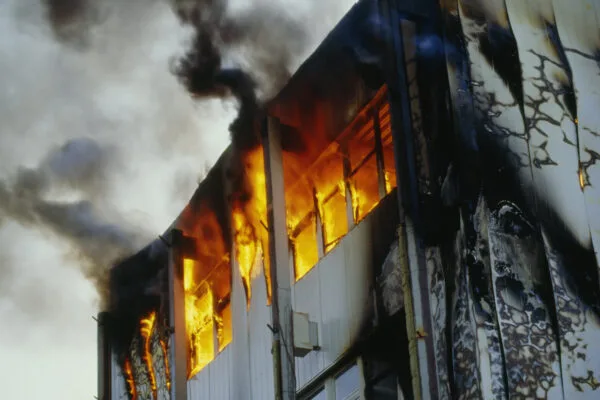
Remote refresher course, designed to maintain and update skills acquired during ATEX level 1 training. It reactivates the fundamentals of explosion risk and consolidates the reflexes of the operator required to access and work in an explosive atmosphere zone.
E-learning refresher course, designed to maintain and update skills acquired during ATEX level 1 training. It reactivates the fundamentals of explosion risk and consolidates the reflexes of the operator required to access and work in an explosive atmosphere zone.
In-person refresher training, designed to maintain and update the skills acquired during ATEX level 1 training. It reactivates the fundamentals of explosion risk and consolidates the reflexes of the operator required to access and work in an explosive atmosphere zone.
Goals
- Reactivate knowledge about the ATEX phenomenon and the conditions for the formation of an explosive atmosphere.
- Update the procedures for accessing and working in ATEX zones and the associated obligations.
- Strengthen the recognition of equipment suitable for the area and the reading of an ATEX marking.
- Review sources of inflammation, unauthorized tools, and precautions for the intervention.
- Confirm the reflexes in case of an anomaly or dangerous situation in an ATEX zone
Program
- Consequences of an explosion and key lessons learned.
- Definition of an explosive atmosphere and conditions of formation (LEL, LSE); sources of ignition; role of ventilation.
- Regulatory framework and access obligations in areas at risk of explosion.
- Identification and classification of zones (gas 0/1/2, dust 20/21/22); signage.
- Prevention measures and safety instructions.
- ATEX equipment, tools and markings; unauthorized tools; precautions for intervention.
- Procedures to follow for accessing, intervening and reacting in case of an anomaly in an ATEX zone.
- Practical application:
- Identifying sources of ignition, classifying an area, reading a marking.
- Practical exercise: "Accessing and intervening in an ATEX zone" and pre-intervention checks
- Consequences of an explosion and key lessons learned.
- Definition of an explosive atmosphere and conditions of formation (LEL, LSE); sources of ignition; role of ventilation.
- Regulatory framework and access obligations in areas at risk of explosion.
- Identification and classification of zones (gas 0/1/2, dust 20/21/22); signage.
- Prevention measures and safety instructions.
- ATEX equipment, tools and markings; unauthorized tools; precautions for intervention.
- Procedures to follow for accessing, intervening and reacting in case of an anomaly in an ATEX zone.
- Practical application:
- Exercises in pairs: recognition of sources of ignition, classification of an area, reading of a marking.
- Scenario «accessing and intervening in an ATEX zone» and pre-intervention checks.
- On client site: identification of actual zones and signage, when safety conditions permit.
Evaluation and validation methods
A multiple-choice questionnaire must be completed at the end of the training; passing it is a condition for receiving the individual certificate of completion of the training.
A multiple-choice questionnaire must be completed at the end of the training; passing it is a condition for receiving the individual certificate of completion of the training.
A multiple-choice questionnaire must be completed at the end of the training; passing it is a condition for receiving the individual certificate of completion of the training.
Target audience
Anyone who has already completed ATEX level 1 training and is required to access, work in an ATEX zone or to work on ATEX certified equipment.
Prerequisites
Completion of initial ATEX level 1 training is required. Refresher training is recommended every 3 years.