


In just a few decades, international ISO standards have established themselves as essential references for structuring quality, environmental, health and safety and social responsibility management approaches.
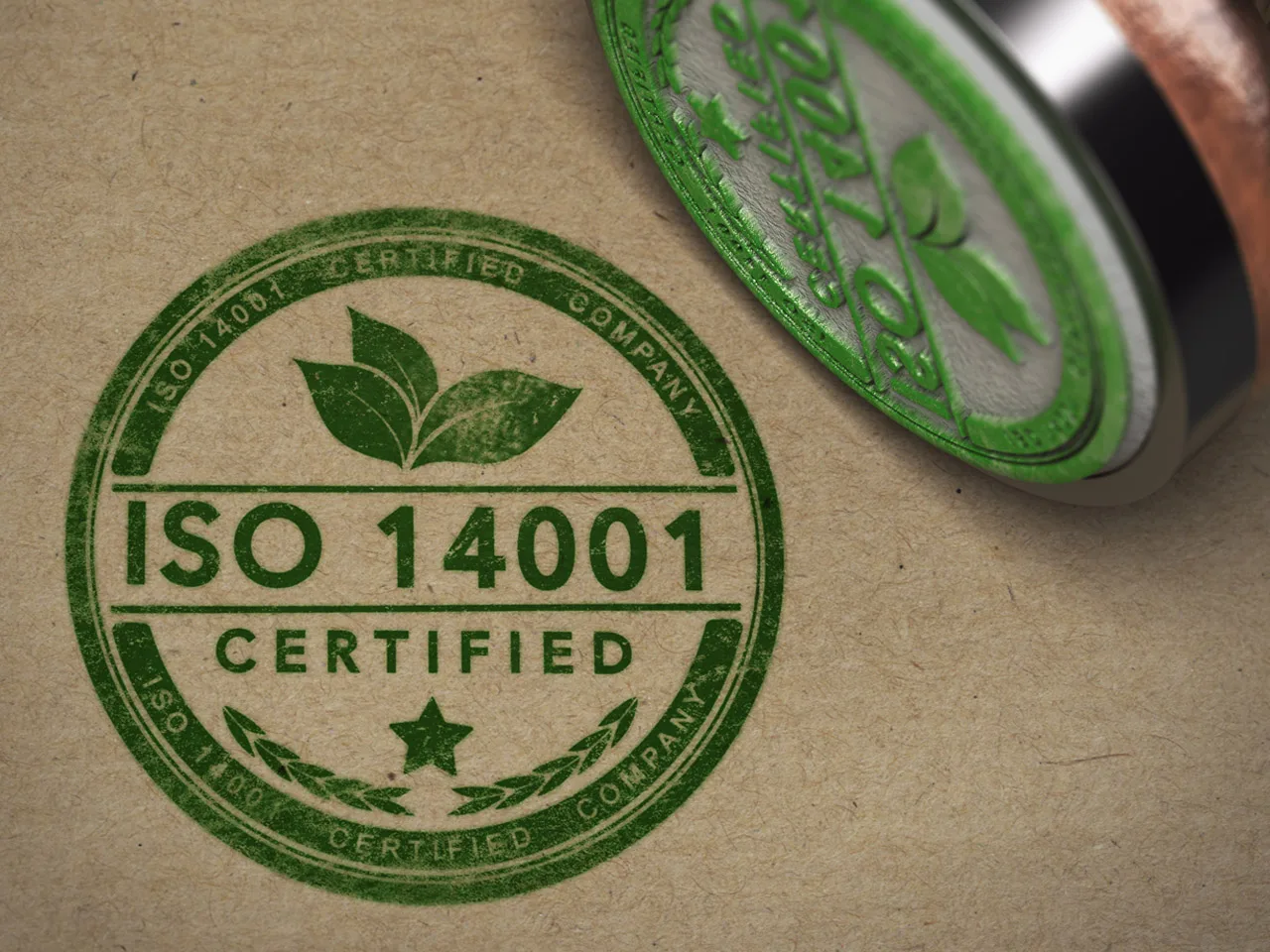
ISO 14001 is the reference standard for environmental management. It does not tell a company what environmental objectives it must achieve, but it describes how to organize a management system to identify its impacts, set targets, implement actions, verify results and continuously improve.
ISO 45001, for its part, applies to occupational health and safety management. It is gradually replacing the older OHSAS 18001 standard in many organizations. Here again, the aim is not to establish a list of safety rules or performance thresholds, but to describe the requirements of a robust management system: worker participation, hazard identification, risk assessment and prioritization, planning of preventive actions, emergency preparedness, and regular review by management. A company certified to ISO 45001 cannot guarantee that there will never be an accident, but it demonstrates that it has organized its prevention efforts in a systematic and structured manner.
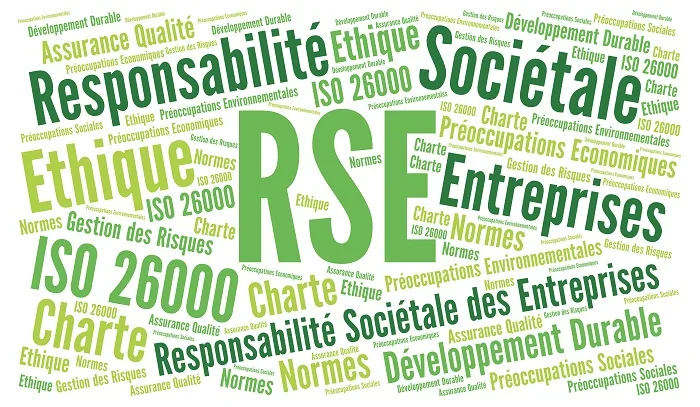
ISO 26000 has a key difference: it is not a certifiable management standard, but rather a guideline for social responsibility. It provides a framework for understanding what CSR encompasses, identifying core issues (human rights, labor relations and working conditions, the environment, fair operating practices, consumer issues, community involvement and development), engaging with stakeholders, and progressively integrating these concerns into the organization's strategy and operations. There is no official "ISO 26000 certification": it can serve as a model for structuring one's CSR approach, and external organizations can assess it, but it cannot be used to claim a normative label issued by ISO.
The primary benefit of ISO 14001 and 45001 standards is organizational. They require clarifying responsibilities, formalizing certain processes, documenting risks, monitoring indicators, and conducting regular management reviews. In organizations where practices were previously very informal, this formalization ensures continuity of the approach, reduces reliance on a few key individuals, and improves resilience to unforeseen events. It also facilitates internal communication: everyone knows who does what, how actions are decided, and how results are monitored.
The second benefit is external. In many sectors, ISO 14001 or 45001 certification is becoming a requirement for accessing certain markets or responding to calls for tenders. Clients, concerned with reducing their own HSE-CSR risks, rely on these standards to ensure their service providers have a minimum level of infrastructure. For a company wishing to work with major clients, particularly in the industrial sector, being able to present a recognized ISO certificate can make all the difference. It also provides reassurance to local residents, authorities, and insurers.
However, it would be naive to assume that ISO 14001 or 45001 certification alone guarantees excellent environmental performance or an impeccable level of safety. Some companies have obtained certifications by focusing primarily on document compliance, without always fundamentally transforming their practices. Certification can then become an end in itself, detached from the realities on the ground. The real challenge for senior management is to ensure that the management system remains connected to operations, that it genuinely generates improvements, and that it doesn't simply become a "procedure factory.".
For an SME or mid-sized company, it can be beneficial to begin by drawing inspiration from the principles of these standards to structure its approach, without immediately aiming for certification. A gradual approach is possible: formalizing a policy, clarifying responsibilities, conducting an initial risk assessment, defining a few objectives, implementing monitoring, and testing management reviews. If momentum builds and clients or partners value it, certification can be a natural next step.
As a guide to corporate social responsibility, it can be very useful for management teams or CSR committees seeking to take a step back and gain perspective: Who are our stakeholders? What issues truly matter to them? On which topics have we already taken action, and where are our blind spots? This framework helps avoid reducing CSR to a few flagship projects by highlighting the breadth of the issues involved.
The role of HR and managers is particularly important in the implementation of these standards. HR, firstly, because they are on the front line with the "work-related" dimensions of the standards: health and safety, social dialogue, skills development, and working conditions. They can help bridge the gap between regulatory requirements and the realities of work teams, integrate these dimensions into HR policies, and prevent standards from being perceived as an external constraint unrelated to team concerns. Secondly, managers are key players in the adoption of these standards: their daily practices will ultimately determine whether or not the stated policies are meaningful.
Ultimately, ISO 14001, 45001, and 26000 are neither panaceas nor mere gadgets. They are tools. When used correctly, at the right time, and with a genuine grounding in strategy, they allow for structuring an approach, better managing risks, and strengthening credibility with stakeholders. The key for a company is to start with its concrete challenges, ambitions, and level of maturity, and then decide how it wants to use these standards.