


HSE and CSR approaches often suffer from a paradox: they produce a huge amount of data, but struggle to tell a clear story to managers.
The QHSE and CSR teams accumulate detailed spreadsheets, audit reports, waste inventories, and carbon footprints. In contrast, the members of the executive committee, overwhelmed with information, struggle to identify simple benchmarks to guide their strategic choices. This situation creates frustration: despite the efforts invested, HSE and CSR issues remain perceived as technical and secondary.
Effective HSE-CSR performance management requires first accepting that "there is no magic bullet." However, it is possible to build a set of carefully selected key indicators that can communicate effectively with specialists and managers. The primary requirement is to link these indicators to the organization's priority issues. A company exposed to the risk of serious accidents will not adopt the same dashboard as a service company facing psychosocial risks.
In health and safety matters, traditional indicators – frequency rate, severity rate, number of accidents with lost time, days lost – retain their usefulness, provided they are properly explained.
An executive committee cannot simply follow the frequency rate curve passively without understanding the underlying events, the most exposed sectors, and the nature of the accidents.
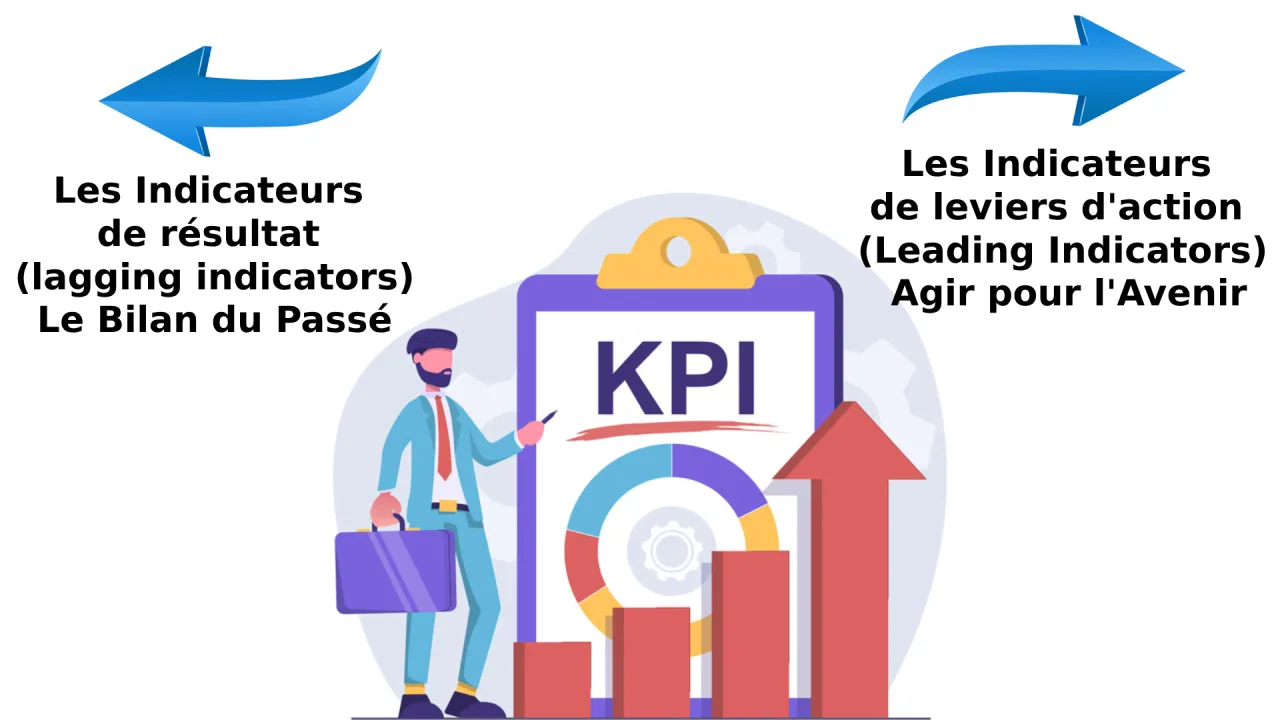
But these “a posteriori” indicators must be complemented by more proactive indicators: number of safety visits carried out by managers, volume of prevention actions implemented, percentage of employees trained in safety, level of treatment of reported dangerous situations.
These elements make it possible to manage not only the results, but also the efforts undertaken to improve them.
On the social and HR front, a governance dashboard will benefit from combining quantitative and qualitative data. Absenteeism rates, turnover, average seniority, engagement and satisfaction survey results, gender equality indicators, and reports related to psychosocial risks provide valuable insights into the state of the work environment. But here again, it is useful to monitor actionable indicators: the percentage of managers trained in responsible management, the number of workload reviews conducted, the existence and use of listening and alert mechanisms, and the level of implementation of QWL (Quality of Working Life) agreements. This data allows for the objective assessment of efforts made and facilitates concrete discussions within the management bodies.
From an environmental perspective, the increasing importance of carbon footprint assessments, energy transition plans, and extra-financial reporting requirements is pushing companies to adopt increasingly sophisticated indicators. Here again, it is crucial for managers to select a few easily understandable benchmarks: total greenhouse gas emissions and reduction trajectory, energy consumption per unit produced or per square meter, volume of waste produced and the proportion recovered, and water consumption at the most critical sites.
A dashboard saturated with numbers, lacking visual hierarchy, will quickly discourage reading. Conversely, a dashboard that highlights a few clear graphs, trends over time, alert thresholds, and concise commentary will facilitate decision-making.
For these indicators to be truly meaningful, they must be put into perspective. A given accident rate does not have the same meaning depending on whether it is above or below the sector average, whether it increases after a long period of decline, or whether it stabilizes despite strong growth in activity.
The role of HSE-CSR experts is therefore to accompany the figures with an accessible analysis, which helps managers to understand the causes and levers for action.
HR and managers play a key role in the adoption of these indicators. HR must ensure that social data is reliable, regularly updated, and shared transparently. They can also help define a few indicators common to all managers (for example, a target for reducing absenteeism or disseminating safety training), in order to create a shared language around social performance. Managers, for their part, are in a position to explain these indicators to their teams, link them to concrete actions, and show how everyone can influence the trajectory.
Ultimately, managing HSE-CSR performance with simple indicators is more than just a reporting issue. It's a lever for cultural transformation: by regularly addressing health, safety, environmental, and social climate issues alongside revenue, margins, and productivity, the company demonstrates that its performance isn't solely defined by its financial results. It affirms that a business is only truly successful if it is sustainable, safe, and responsible.