


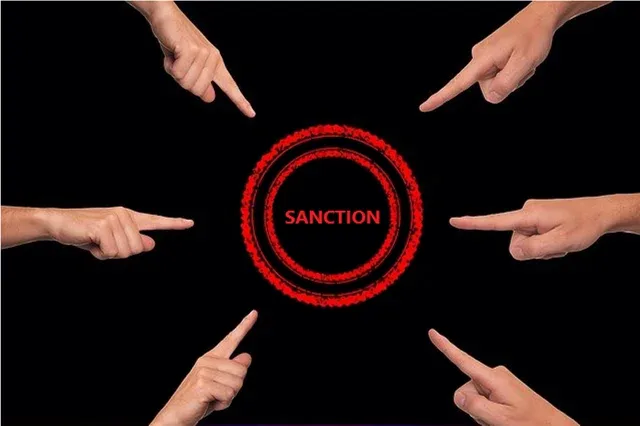
Throughout the history of prevention, many companies have based their HSE policies on a logic of control and punishment. The objective was clear: define rules, verify that they are followed, and penalize those who break them. This model made it possible to structure processes, correct obvious risky behaviors, and reinforce the idea that safety is not optional. However, it quickly reveals its limitations when it comes to establishing a deep, lasting, and ingrained culture of prevention. For safety, and more broadly, HSE issues, to become everyone's responsibility, it is often necessary to move towards a culture more based on trust and accountability.
A culture focused on control and punishment produces certain predictable effects. Employees learn to comply with rules when observed, but may adopt other behaviors when not in sight. They hesitate to report incidents or near misses for fear of being blamed. Managers spend a lot of time "finding faults" instead of trying to understand why certain rules are not being followed. Prevention then becomes a game of hide-and-seek, where everyone tries to protect themselves rather than contribute to collective improvement.
Conversely, a culture based on trust and responsibility rests on the idea that most people are inherently committed to doing things right. It posits that if safety lapses occur, it is often because the system does not allow them to work effectively: instructions ill-suited to reality, lack of time, inappropriate tools, or conflicting objectives. In this approach, the company prioritizes understanding the reasons for these lapses, adapting its organization, and facilitating safe behavior. It continues to establish clear rules and penalize deliberately dangerous acts, but it distinguishes between willful negligence and errors made under pressure.
Moving from one model to another cannot be decreed. It first requires work on management's discourse and practices. When leaders claim they want a culture of trust but continue to demand results at all costs, reacting only when accident figures rise, and never acknowledging prevention efforts, the message remains ambiguous. Transformation begins with consistent decisions: agreeing to suspend production to correct a dangerous situation, supporting a manager who has halted a project, publicly recognizing an employee who has refused a risky task.
The role of frontline managers is once again central. They are the ones who embody, on a daily basis, the type of culture the company wants to develop. A manager who systematically reacts with blame or threats when an incident occurs fuels fear. A manager who, on the contrary, seeks to understand, listens, and involves their team in finding solutions, lays the foundation for shared responsibility. This does not mean they should accept everything, nor abandon setting boundaries: they remain the guarantor of the framework, but they exercise this responsibility in an educational rather than punitive manner.
In a culture of trust, the company establishes simple channels for reporting dangerous situations, near misses, and ideas for improvement. It guarantees that these reports will not be used against individuals, but rather as raw material for continuous improvement. It provides feedback on the actions taken: nothing is more demotivating than a system where an "idea box" is filled with suggestions that go unheeded. Over time, this dynamic can create a shared vigilance reflex.
A culture focused on punishment often emphasizes accident statistics, accident-free hours, and "compliant" audits. A culture of responsibility is more interested in indicators of preventive activity: the number of safety inspections conducted, the number of hazardous situations reported, corrective actions implemented, and participation in feedback workshops. These indicators value effort, not just results, and allow for anticipation rather than reactive behavior.
A culture of trust is not a culture of permissiveness. It does not preclude sanctions, but these are used in a targeted, proportionate, and reasoned manner, only in cases where dangerous behavior is clearly intentional and repeated, despite explanations and warnings. This distinction between an honest mistake and serious misconduct must be explained and shared to avoid misunderstandings. In some cases, involving employee representatives in discussions about situations where sanctions are legitimate can help build a more shared framework.
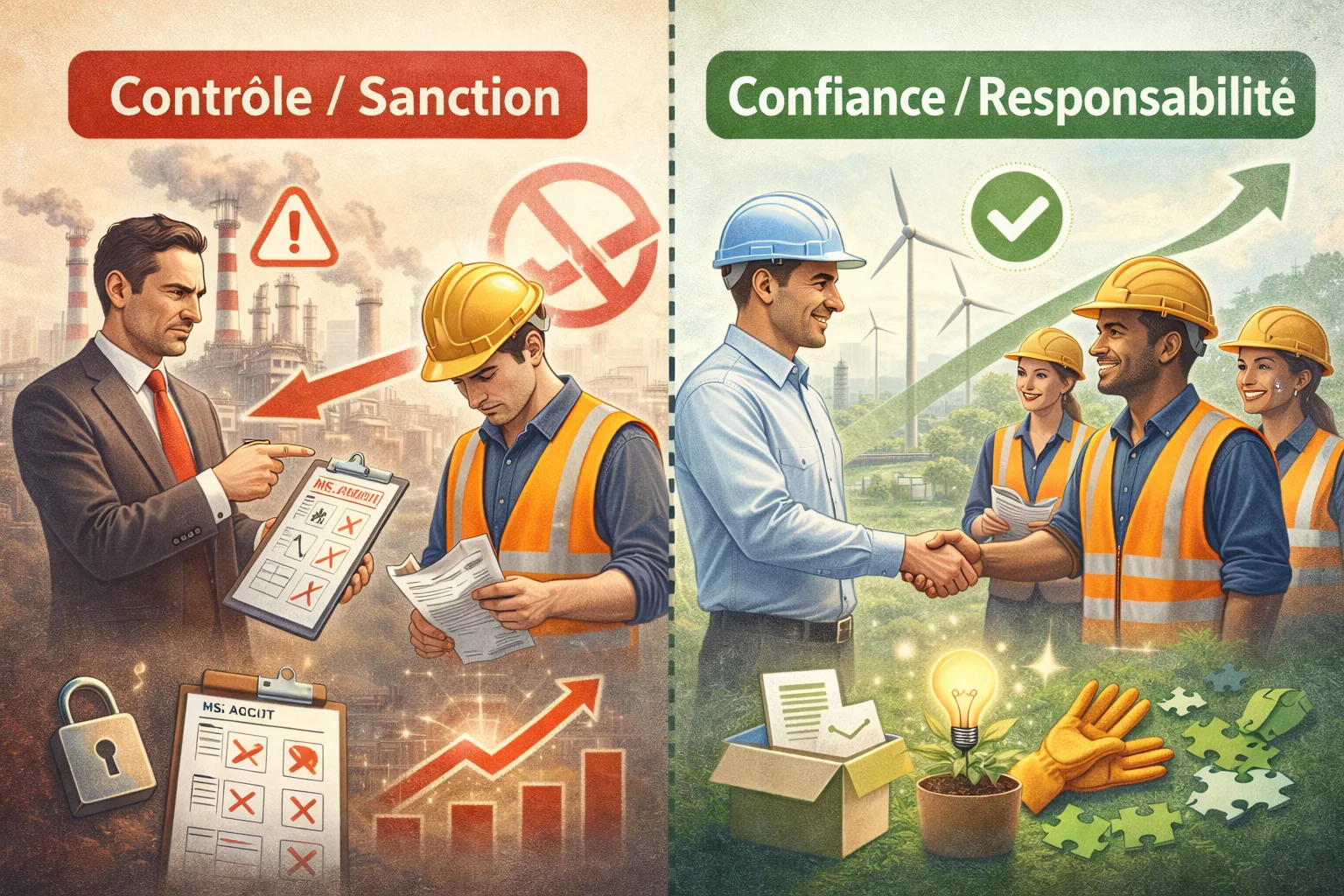
The transition from one culture to another takes time. It can be disorienting, especially for managers accustomed to a highly directive management style. It requires support: training in constructive feedback, development of interpersonal skills, and spaces for discussing the difficulties encountered. But it is also an opportunity to give new meaning to prevention, to move it beyond a purely disciplinary framework and integrate it into a broader project: that of a work collective where everyone feels responsible for the safety of all.
Ultimately, a culture of trust and responsibility in HSE is not only more humane, but also more effective. It allows for earlier detection of early warning signs, faster correction of problems, and greater leveraging of team intelligence. It transforms prevention from a set of external constraints into a natural way of working together.