


I. Introduction: Industrial environments at the heart of the risk
Quarries, cement plants and concrete batching plants form the basis of the entire construction industry. These sites, essential for the production of building materials, however concentrate numerous occupational hazards: dust, noise, handling, machinery, chemicals, heat…
According to data from CARSAT and INRS, the frequency rate of work accidents there regularly exceeds the industrial average, particularly in quarries where handling and the movement of machinery are involved in nearly one in three accidents.
II. Aggregate quarries: extraction and multiple risks
Activities and environment
Quarries produce aggregates through extraction, crushing, screening and transport. These operations take place outdoors, often with significant interaction between machinery and pedestrians.
Main risks
- Mechanics Falls from height, collisions, crushing injuries from machinery
- Physics Noise up to 110 dB(A), hand-arm and whole-body vibrations
- Chemicals : inhalation of crystalline silica dust (classified as a carcinogen)
- Traffic : co-activity of vehicles/pedestrians, tipping of vehicles
The INRS estimates that an employee exposed to crystalline silica without adequate protection risks, in the long term, irreversible lung diseases (silicosis, chronic bronchitis).
Prevention measures
EPC (Collective Protective Equipment):
- Watering the tracks and conveyors to limit dust
- Recording of emissions at the source
- Traffic lane signage
- Guardrails and delimitation of work zones at height
PPE (Personal Protective Equipment):
- EN 397 Helmet
- FFP3 mask EN 149 (for silica)
- EN 166 compliant safety glasses
- S3 EN ISO 20345 footwear
- Earplugs EN 352
III. Cement plants: high-temperature chemistry
industrial process
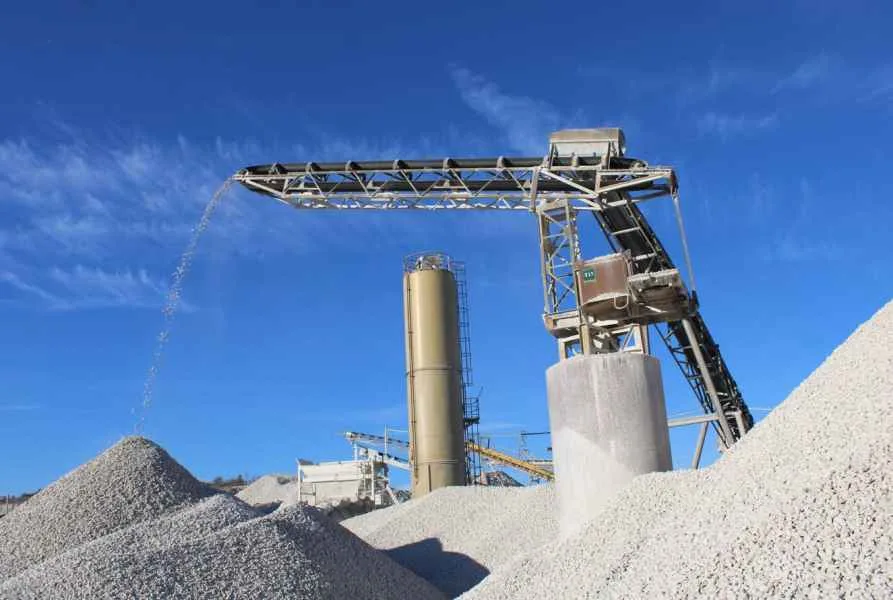
Cement is produced by heating limestone and clay to over 1400°C to create clinker, which is then ground with gypsum and additives. These facilities combine thermal, chemical, and mechanical hazards.
Specific risks
- Chemicals : exposure to clinker dust, crystalline silica, alkalis and calcium oxides
- Thermal : radiant heat from ovens and burns
- Physics High noise (up to 105 dB(A)), heavy handling, vibrations
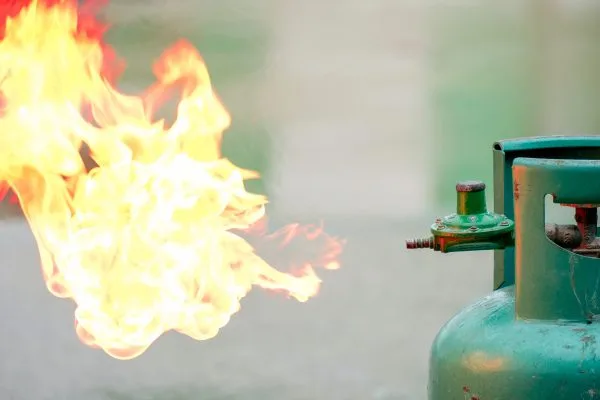
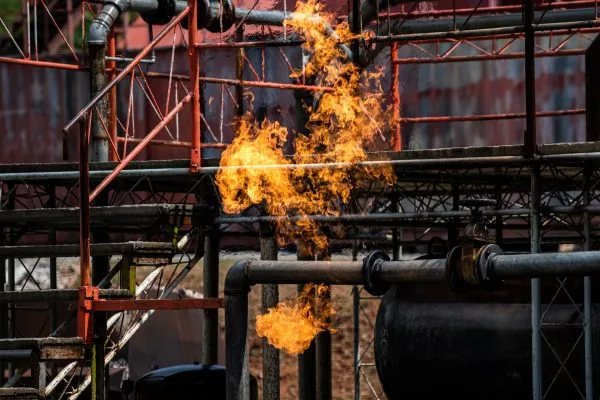
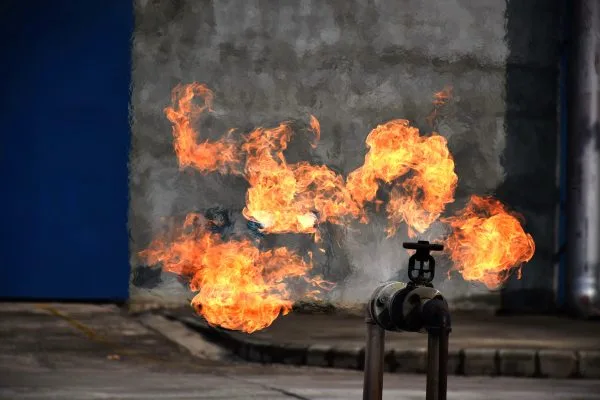
- Fire and explosion : related to alternative fuels and combustible dust
The INRS (ED 6264) reminds us that inhaled crystalline silica causes, in addition to silicosis, an increased risk of lung cancer. The regulatory occupational exposure limit (OEL) is 0.1 mg/m³ (8 h).
Prevention measures
EPC (Collective Protective Equipment):
- Containment of facilities and localized ventilation
- Source extraction and gas filtration
- Automatic fire detection
PPE (Personal Protective Equipment):
- FFP3 masks or P3 cartridge half-masks
- EN 374 Chemical Gloves
- Safety glasses/visors EN 166
- Flame-retardant clothing EN ISO 11612
- Noise-canceling headphones EN 352
Best practices:
- Regular checks of the VLEP
- Wet cleaning, never dry cleaning
- Strict lockout/tagout procedure before maintenance
IV. Concrete plants: a confined and dynamic environment
Process and risks
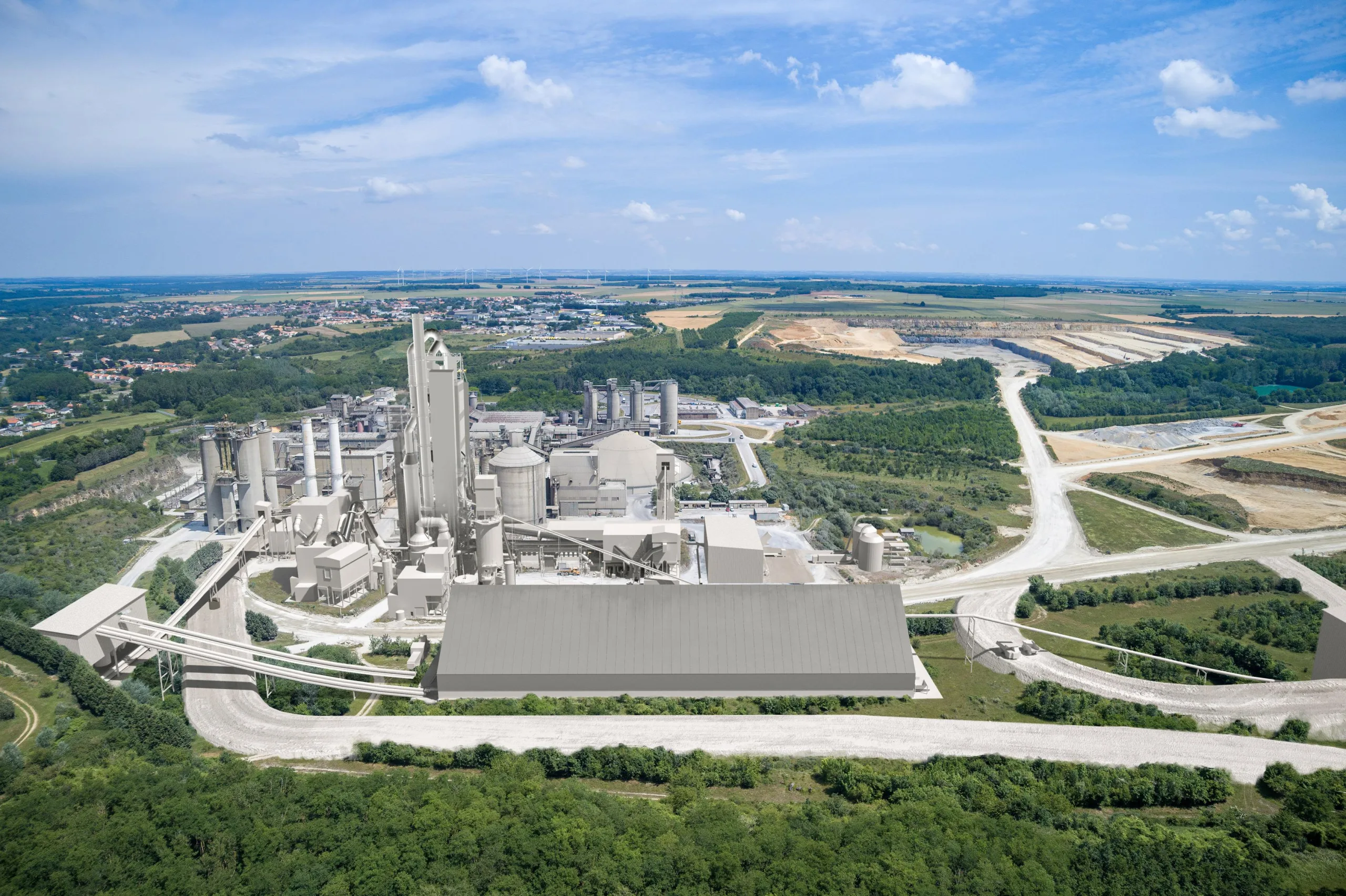
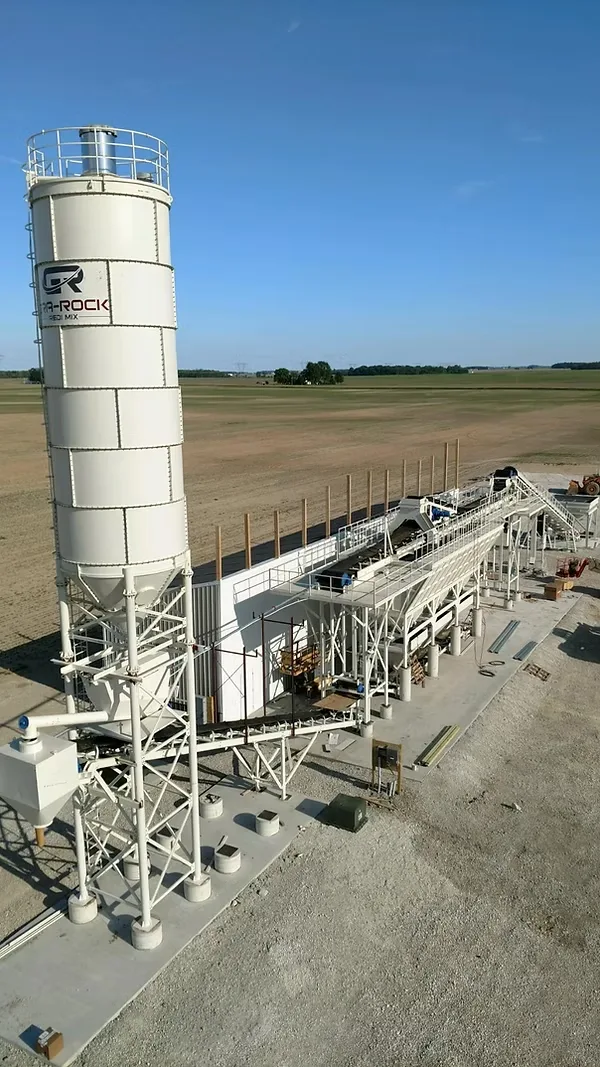
The plants dose, mix and deliver ready-to-use concrete, combining handling, cleaning, maintenance and exposure to chemical additives.
Main risks
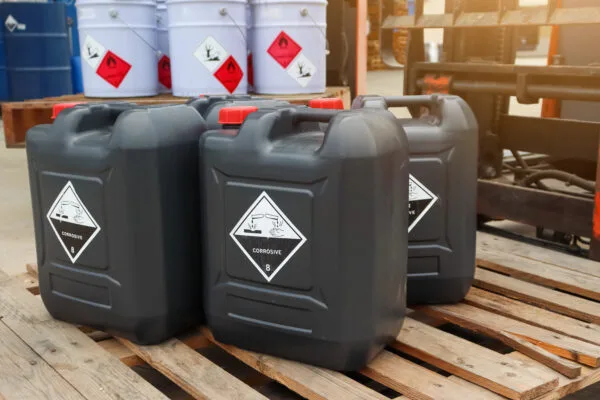
- Chemicals cement, additives, form release oils, acidic agents
- Cutaneous-irritatives : cement with a pH > 12 containing chromium VI
- Physics Noise, falls, handling
- Fine dust during the mixing and cleaning of the silos
According to INRS, nearly 30% of concrete workers have cement-related skin irritations.
Prevention measures
EPC (Collective Protective Equipment):
- Silo and mixer ventilation
- Dust collection on hoppers
- Wet cleaning and vacuuming
- Closed storage of adjuvants
PPE (Personal Protective Equipment):
- Waterproof gloves EN 374 and cuffs
- EN 14605 waterproof coverall
- S5 boots EN ISO 20345
- Glasses/visor EN 166
- FFP3 mask for dry dust
Best practices:
- Never wash your hands with solvents; use a mild soap instead.
- Clean up any spills immediately.
- Change your gloves if you get a puncture.
- Maintain the ventilation and filters
V. Cross-cutting good prevention practices
1. Safety culture
Establishing a shared safety culture is essential. Safety talks, feedback sessions, and practical training help to reinforce good habits: wearing PPE, reporting anomalies, and respecting procedures.
2. Training and awareness
OPPBTP recommends short, frequent sessions focused on job-related gestures: handling, movement, fall prevention and chemical risks.
3. Joint activity and subcontracting
External interventions require a prevention plan and rigorous HSE coordination. Each stakeholder must be aware of local risks and applicable regulations.
4. Monitoring of exhibitions
- DUERP Update
- Traceability via exposure records and SDS
- Regular checks of dust and noise levels
VI. Preventive medicine: a key player
Regulatory framework
Workers exposed to silica, noise exceeding 85 dB(A) or corrosive substances benefit from enhanced individual monitoring (SIR) according to the Labour Code.
Role of the occupational physician
- Pre-assignment medical examination
- Regular follow-up every 2 to 4 years
- Additional tests: lung function tests, audiometry, imaging, dermatology
- Recommendations for job adjustments or temporary reassignment
Interprofessional collaboration
The occupational physician works with the employer, the CSE and the safety officer to adapt prevention measures and monitor occupational diseases (silicosis, dermatoses, hearing loss, etc.).
VII. Conclusion: Collective and sustained vigilance
Quarries, cement plants, and concrete batching plants present diverse environments but convergent risks: dust, noise, handling, and chemicals. Prevention relies on an integrated approach:
- Technical : collective control installations and updated equipment
- Individual Appropriate PPE and constant use
- Organizational training, organization, medical monitoring
A safety culture must become a collective reflex, driven by the hierarchy and supported by all available resources.