


What is an explosive atmosphere?
A explosive atmosphere, Or ATEX, refers to a mixture of flammable substances (gases, vapors, mists or dusts) with air, under normal atmospheric conditions, which can ignite in the presence of an ignition source.
A simple electrical switch, a spark, or a hot surface can be enough to trigger an explosion if these substances are present in critical quantities.
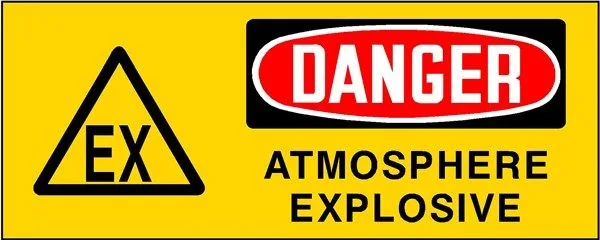
A real… and frequent danger
ATEX events can occur in many industrial and construction environments. Here are some concrete examples :
- Grain silo : In 2020, an explosion blew up an agricultural silo in Germany, caused by the accumulation of flammable grain dust.
- Gas station : A poorly planned maintenance intervention caused an explosion following insufficient degassing.
- Automotive paint shop A non-ATEX certified light generated a spark, causing solvent vapors to ignite.
- Shipyard Welding work carried out in a poorly degassed tank led to an explosion of hydrocarbon vapors.
The European regulatory framework: the ATEX directives
Several directives govern ATEX in the EU:
1. Social guidelines for employers
– Directive 89/391/EEC Implementation of measures aimed at promoting improvements in worker safety and health (including the nine general principles of prevention).
– Directive 1999/92/EC Applicable since July 2006: "protection of health and safety of workers likely to be exposed to the risk of explosive atmospheres"«
- Classification, ATEX zoning and signage
- drafting of the DRPCE
Following this directive, two decrees were published, dated July 8, 2003
These decrees concern in particular:
- The definition of locations where ATEX zones can form.
- Minimum requirements aimed at improving the safety of workers exposed to explosion risks.
- Selection criteria for devices and protection systems used in locations where ATEX may occur.
- The sign indicating dangerous locations.
A decree dated July 28, 2003 sets the conditions for the installation of electrical equipment in locations where ATEX may form.
2. Technical guidelines for manufacturers and distributors of ATEX equipment
– Directive 94/9/EC ATEX 95 Harmonization of Member State legislation for protective equipment and systems intended for use in ATEX environments
– Directive 2014/34/EU Declaration of conformity and EU type certification instead of CE
ATEX zone classification
Here is a reminder of the zones, with real-world examples:
| Medium | Area | Risk | Example |
|---|---|---|---|
| Gas | Zone 0 | Continuous presence | The inside of a fuel tank |
| Zone 1 | Probable presence | Area around the pressure relief valves | |
| Zone 2 | Accidental presence | Poorly ventilated underground parking garage | |
| Dust | Zone 20 | Permanent presence | Interior of a flour silo |
| Zone 21 | Probable presence | Pneumatic sawdust conveying system | |
| Zone 22 | Occasional attendance | Technical room for a sanding workshop |
The scientific basis: the ATEX hexagon
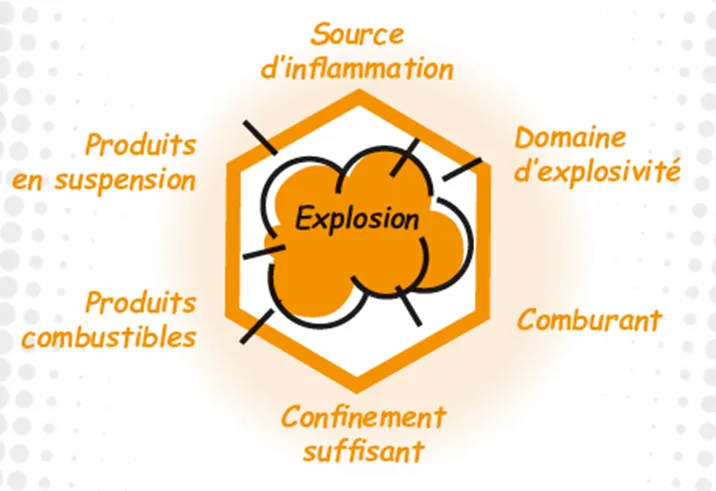
The explosion is only possible if 6 elements are present at the same time:
- A fuel wood, paper, aluminum, flammable chemicals, gasoline, etc.
- The fuel must be in suspension in the air. Ex.: flammable gas, wood dust, cotton wool, flour, methane, flammable chemical vapor or gasoline above the flash point temperature)
- An oxidizer (usually oxygen)
- A source of inflammation (e.g., non-ATEX tool, electric arc, spark, flame, etc.)
- A confined environment ensuring poor evacuation of suspended fuel (e.g., underground gallery, cistern, deep trench, unventilated room, etc.)
- The explosive range : A air-fuel mixture is not explosive that if it is located between two thresholds : Lower Explosive Limit (LEL) : minimum fuel concentration below which The mixture is too lean to explode. Upper Explosive Limit (UEL) maximum concentration beyond which The mixture is too rich to explode (lack of oxygen).
Between the LIE and the LSE, the mixture is explosive : that's what we call the explosiveness range. Dust particles do not have a LEL/LSE expressed in %, but a minimum concentration threshold in g/m³.
Example On a renovation site, an uncertified industrial vacuum cleaner caused a discharge in a cloud of plaster dust, triggering an explosion.
Focus on the construction sector
Solvent or resin vapors
Sources : paint, glues, epoxy resins, bitumen, waterproofing agents.
Examples of situations :
- Application of resin in a cellar or poorly ventilated room.
- Cleaning with solvents in tanks or cisterns.
Risk : formation of an explosive cloud in the air → explosion in the presence of a halogen lamp, an electrical tool, or even a static spark.
Hot work in confined spaces
Sources : welding, grinding, thermal cutting.
Examples :
- Repair of pipelines or tanks containing residual hydrocarbons.
- Demolition of structures that contained flammable products.
Risk : ignition of residual vapors or dust.
Suspended combustible dust
Sources : wood, plaster, cement, flour, granules.
Examples :
- Sanding or sawing materials indoors.
- Cleaning of silos or technical ducts.
Risk : suspended dust + ignition source = explosion.
Presence of gas or vapors in the soil or buried networks
Sources : old gas pipelines, polluted groundwater, industrial leaks.
Examples :
- Earthworks in an industrial area.
- Trenching near gas networks.
Risk : explosion due to accidental ignition (power tool, flame, damaged cable).
Prevention and protection methods used in the construction industry
- ATEX assessment in the prevention plan / PPSPS : Identification of risk areas. Planning of risk interventions.
- Effective ventilation Natural or assisted (blower) ventilation. Maintain vapor concentrations below LEL (lower explosive limit).
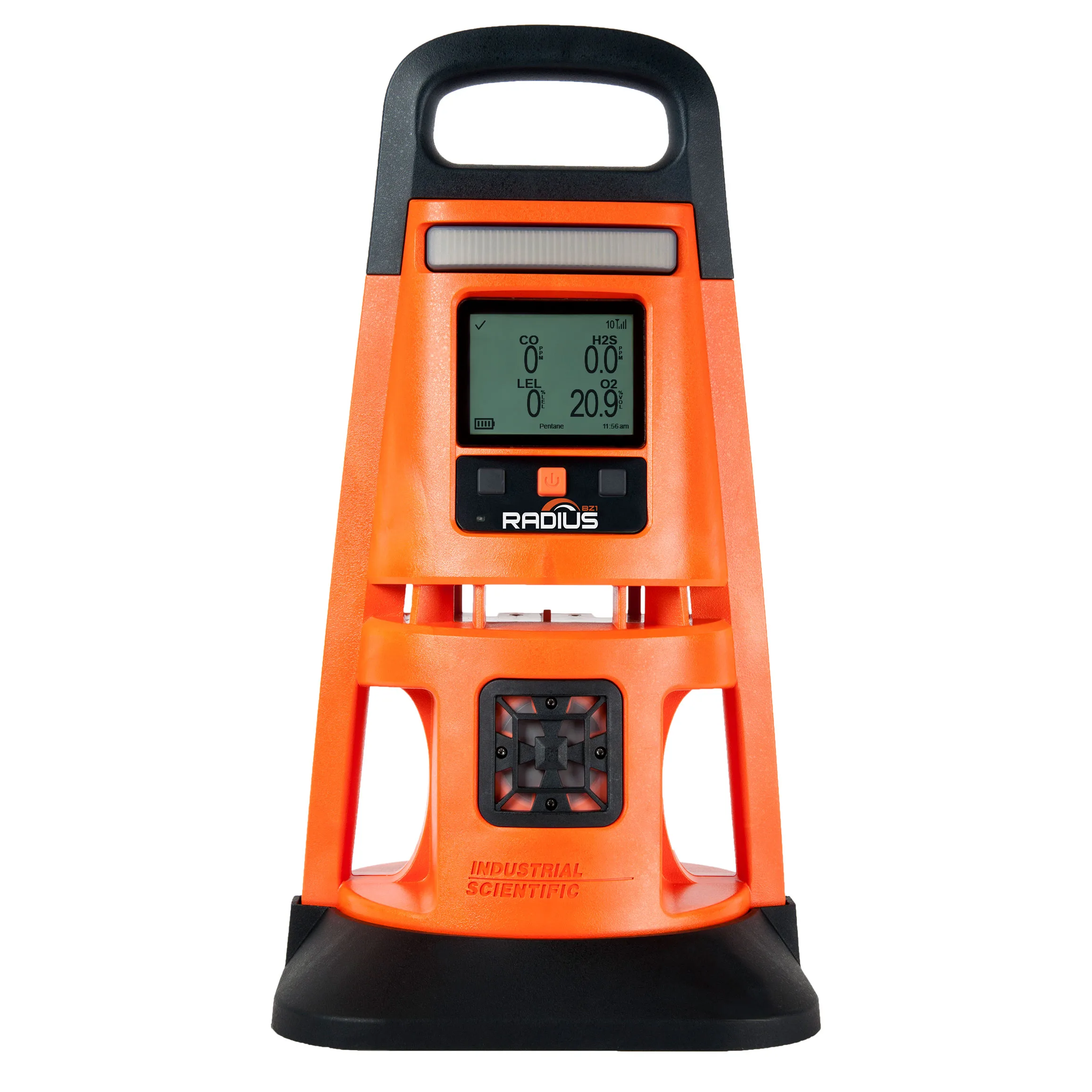
- Atmospheric monitoring Portable or fixed gas detectors. Continuous detection in confined areas.
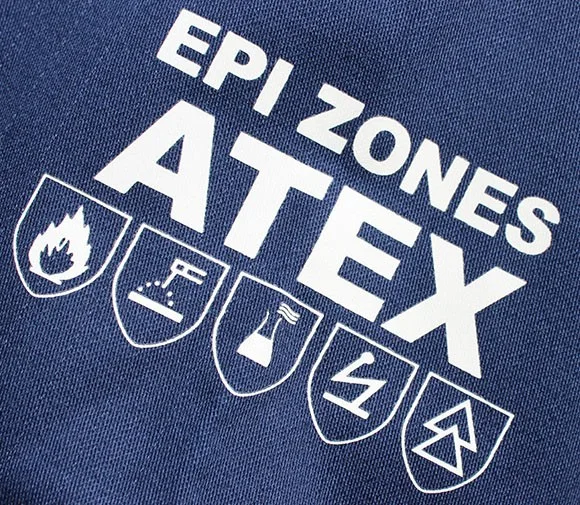
- Use of ATEX certified equipment Vacuum cleaners, lighting, power tools. Equipment marked ATEX zone 1, 2, 21, 22 as appropriate.
- Degassing and preliminary cleaning : Obligation to neutralize any flammable atmosphere before work (e.g. rinsing, purging, nitrogen inerting).
Real case : In 2018, in a disused factory converted into housing, workers were severely burned following the ignition of residual hydrocarbon vapors.
ATEX risk prevention and protection measures
Prevent the formation of an explosive atmosphere
To achieve this, it is necessary to act on the products and processes that can cause the formation of an ATEX.
Taking action on fuels
- replace the combustible product with another non-combustible or less combustible one.,
- increase the particle size (go from powder to granules),
- adding inert solids to combustible dust,
- to control the process parameters (temperature, pressure, etc.) according to the physicochemical characteristics of the products,
- maintain the concentration of the fuel outside its explosive range (capture at the source of vapors or dust, dilution, regular cleaning by vacuuming of deposited dust layers…).
Acting on the oxidizer
The main measure involves introducing a sufficient quantity of an inert gas (nitrogen, argon, etc.) into an atmosphere filled with combustible substances, thereby depleting the oxygen in the air and thus preventing ignition. However, caution is advised regarding the risk of hypoxia (reduced oxygen supply to the body's tissues) if an employee is present in the affected area.
Avoid sources of inflammation
This preventative action focuses first on removing equipment that does not need to be in the ATEX zone. Next, all potential sources of ignition must be eliminated, including open flames and fires, hot surfaces, sparks of mechanical, electrical, or electrostatic origin, and heat generated by mechanical friction, electrical appliances, or internal combustion engines. Various measures can be implemented to achieve this.
Acting on the processes
This includes the implementation of:
- safety measures implemented following the exceeding of defined thresholds for certain safety parameters (temperature, pressure, oxygen levels, etc.),
- cooling systems to control, for example, a chemical reaction or heating due to gas compression,
- magnetic, gravity separators (wedge boxes) to remove elements that could cause sparks or carry hot surfaces in ventilation systems.
Perform checks
This includes verifying that certain parameters do not exceed the thresholds beyond which inflammation is detected. Various detection systems exist for this purpose:
- temperature rise detectors, pressure detectors…
- Infrared thermography (detection of hot spots on electrical networks),
- carbon monoxide detectors (detection of the start of fermentation with heat release),
- conveyor belt speed control systems, jamming, rotation control (limiting friction, heating and electrostatic charges generated during the operation of this equipment).
Act on the devices
- suitability of the equipment for the ATEX zone.,
- portable tools that do not produce sparks,
- equipotential bonding and grounding of the entire installation,
- The electrical installation is correctly sized and regularly checked.
Implement organizational measures
- method of performing tasks,
- hot work permit required for all hot work.,
- work permit or intervention order for any operation in an ATEX zone.,
- limitation of the number of workers entering an ATEX zone,
- consultation with external companies and management of co-activity (prevention plan, presence of a contact person for external companies),
- Implementation of "smoking zones" to enforce the smoking ban in areas where ATEX events may occur.,
- wearing appropriate work clothes made of materials that facilitate the dissipation of electrostatic charges, regular vacuuming to remove dust,
- employee training.
All measures taken must be realistic and rigorous, in order to provide effective and appropriate prevention solutions.
Limiting the effects of an explosion
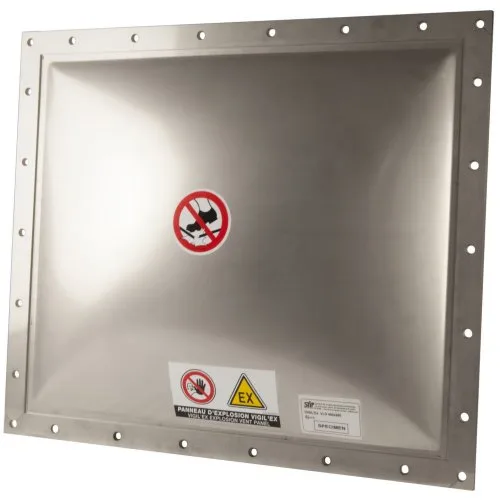
Since completely controlling ignition sources is difficult, if the formation of an explosive atmosphere cannot be prevented, protective measures must be taken to mitigate the harmful effects of an explosion. The actions to be taken are specific to each work situation, process, or installation:
- actions on containment (explosion vents),
- Activated fire extinguishers (explosion suppressors),
- devices resistant to explosion overpressure,
- technical decoupling systems (systems that prevent an explosion from spreading to the rest of the installation: flame arresters, rotary valves, quick-closing valves, "Ventex" valves, triggered fire extinguishers, explosion diverter, vent stack…),
- actions on the configuration and design of the premises: compartmentalization, resistance of materials (glass, roofing made of fragile materials…), design and construction of the premises (choice of suitable and fire-resistant materials, premises resistant to the possible collapse of the building), grouping of staff in dedicated locations so that they are not victims of falling structural elements.
Such technical means (vents, technical decoupling systems, etc.) are explosion protection systems under ATEX regulations and must therefore be recognized and certified as compliant with them.
Risk culture: the key to security
- Strong commitment from Management on this subject
- Mandatory training adapted for all operators in ATEX zones.
- Prevention plans and work permits in ATEX zones written in collaboration with external companies.
- Clear signage premises and machinery and compliance with procedures.
- Regular safety drills.
Example In a waste treatment company, raising awareness among operators about the handling of solvents helped to prevent several major incidents.
Explosive atmospheres are invisible but dangerous. Thanks to European directives, certified equipment, and proper staff training, it is possible to control this risk. In the construction industry, as elsewhere, prevention relies on analysis, rigor, and anticipation.
At MD Conseil Formation, we offer several training courses and services tailored to your needs on the topic of ATEX.