



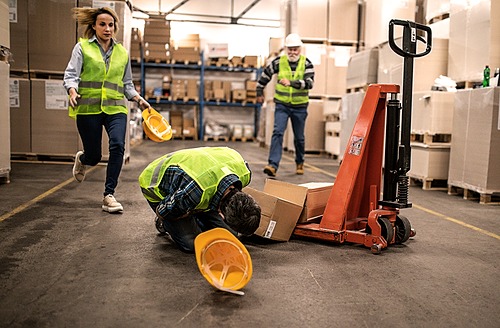
Organize the initial decisions and coordination of the company following a serious or fatal accident.
Goals
- Know the immediate priorities after the event.
- Mobilize the right actors and document the situation.
- Prepare for human monitoring and improvement of procedures.
Program
Define the event
- To measure its human, organizational and media consequences.
- Define "serious accident", "fatal accident", "crisis".
- Identify the human, legal, and media impacts of an accident or fatality.
First hours
- Alert, rescue, secure and distribute responsibilities.
- Discover the key steps to take immediately.
- Learn who to mobilize, what to document, how to secure.
Managing the crisis
- Set up a unit, coordinate exchanges and support.
- Preparing for the post-accident period: support, investigation, recovery.
- Identify the tools to manage the human impact.
Feedback
- Prepare for the resumption of activities and improve internal plans and exercises.
- Anticipating crises through preparation.
- Integrate crisis management into the DUERP and internal plans.
Practical application and feedback
- To work on a situation close to the participants' real-world experience.
- Compare several responses and observe their effects in an exchange or incident.
- Develop reflexes adapted to one's professional context.
Evaluation and validation methods
Prior self-assessment and assessment of acquired skills at the end of training.
Target audience
Crisis units, security officers and risk managers
Prerequisites
No prerequisites