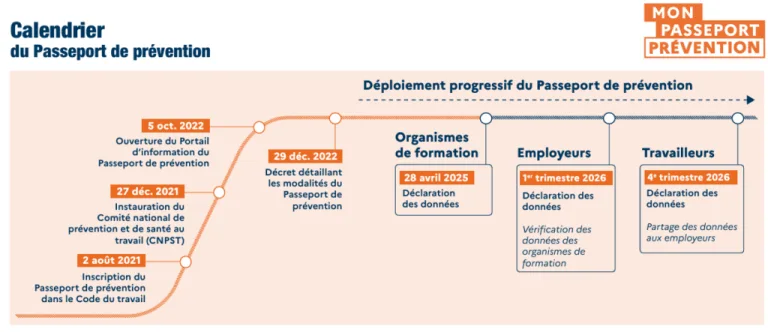



HSE training has a structural problem: it is often designed to "tick off" a requirement, not to bring about lasting behavioral change. Many employees complete long, dense modules, sometimes disconnected from real-world situations, and then return to their work with little change.
Serious games, virtual reality and microlearning are not gadgets when they meet a real need: training decisions and actions in situations close to the field, in a repeatable and engaging way.
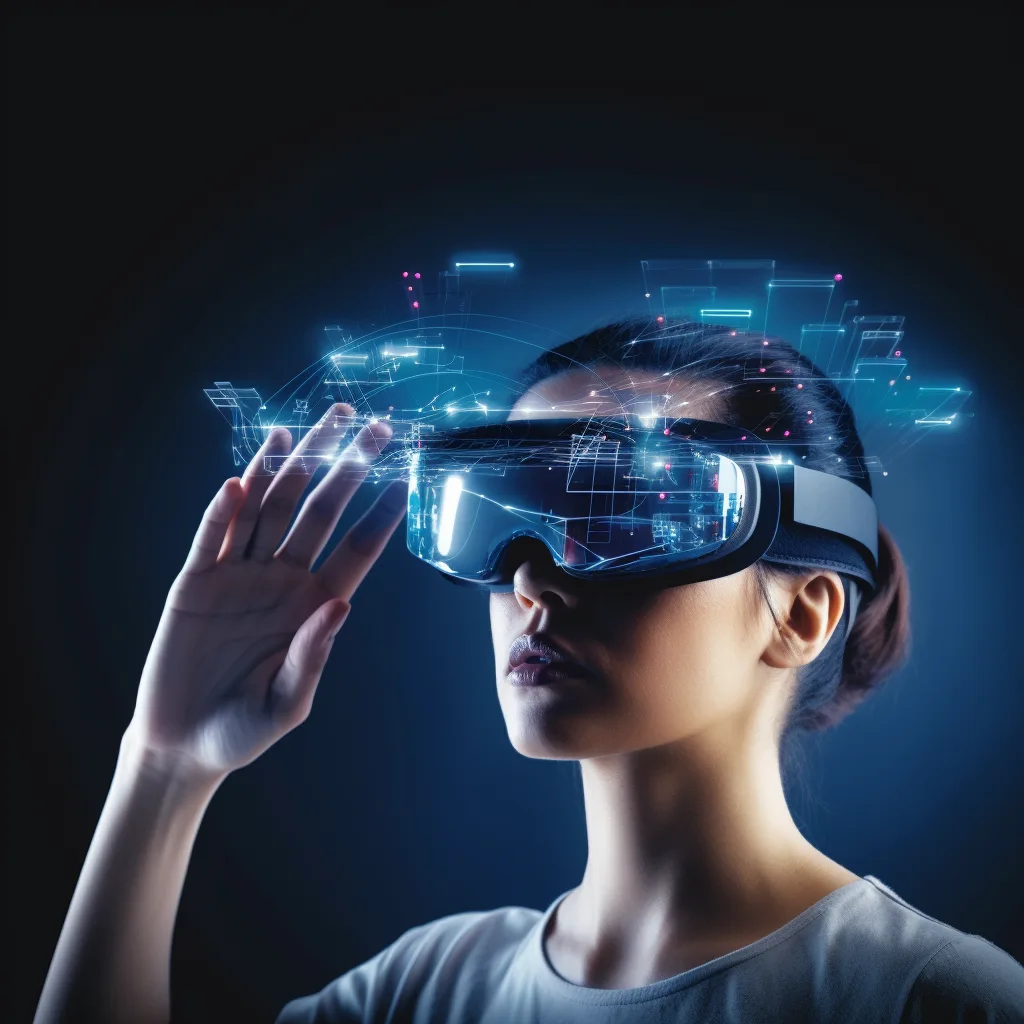
Virtual reality is particularly relevant for rare but critical or dangerous situations that need to be replicated: working at height, lockout/tagout procedures, confined spaces, vehicle movement, firefighting, intervention in complex environments, and concurrent activities. The major advantage is that mistakes can be made without injury, and the process repeated until good reflexes are automated. But VR isn't magic: it must be scripted with realistic scenarios, validated by operational staff, and integrated into a broader training program: pre-session briefing, post-session debriefing, and a connection to actual procedures.
Microlearning is remarkably effective at instilling reflexes and maintaining vigilance. A three-minute module per week on a risk, a case study, or a seasonal concern (heat, handling, chemicals) can be more impactful than a forgotten annual training session. Its success hinges on one thing: regularity and relevance. If the content is too generic, attention wanes. If the content addresses specific site situations, the teams identify with it.
Serious games and gamified simulations are very useful for training in decision-making and arbitration, especially for managers. Many accidents and missteps stem from decisions made under pressure: "we'll carry on anyway," "we'll bend the rules," "we'll do it later." A serious game can replicate these dilemmas and train managers to choose prevention and control without sacrificing efficiency. Here again, the key is the debriefing: the goal is not to win, but to understand.
The worst mistake would be to measure only satisfaction. 'Fun' training isn't necessarily effective. The useful indicators are those from the field: fewer workarounds, more useful feedback, improved quality of incident analyses, better compliance with critical barriers, and fewer recurring accidents.
Conclusion
Training differently is not a passing fad. It's a response to the real need to shape behaviors, not just transmit information. Innovative formats work when they are grounded in real-world work, repeated over time, and linked to concrete managerial decisions.