


The integration of exoskeletons in the construction industry remains a subject of debate among professionals. For some, these devices represent an obvious solution to physical constraints, while others emphasize their limitations in terms of health impact. A study commissioned by Hilti, a renowned brand of tools, fastening systems, and software for the construction industry, highlights the positive effects on the health of operators as well as certain limitations of their use.
Hilti commissioned a study to evaluate the effectiveness of its exoskeletons in preventing musculoskeletal disorders (MSDs) in the construction industry. The objective of this study is to assess the medium-term effects of using these exoskeletons on the health of operators and to analyze the factors influencing the acceptance of this equipment.
A study based on user feedback from exoskeletons
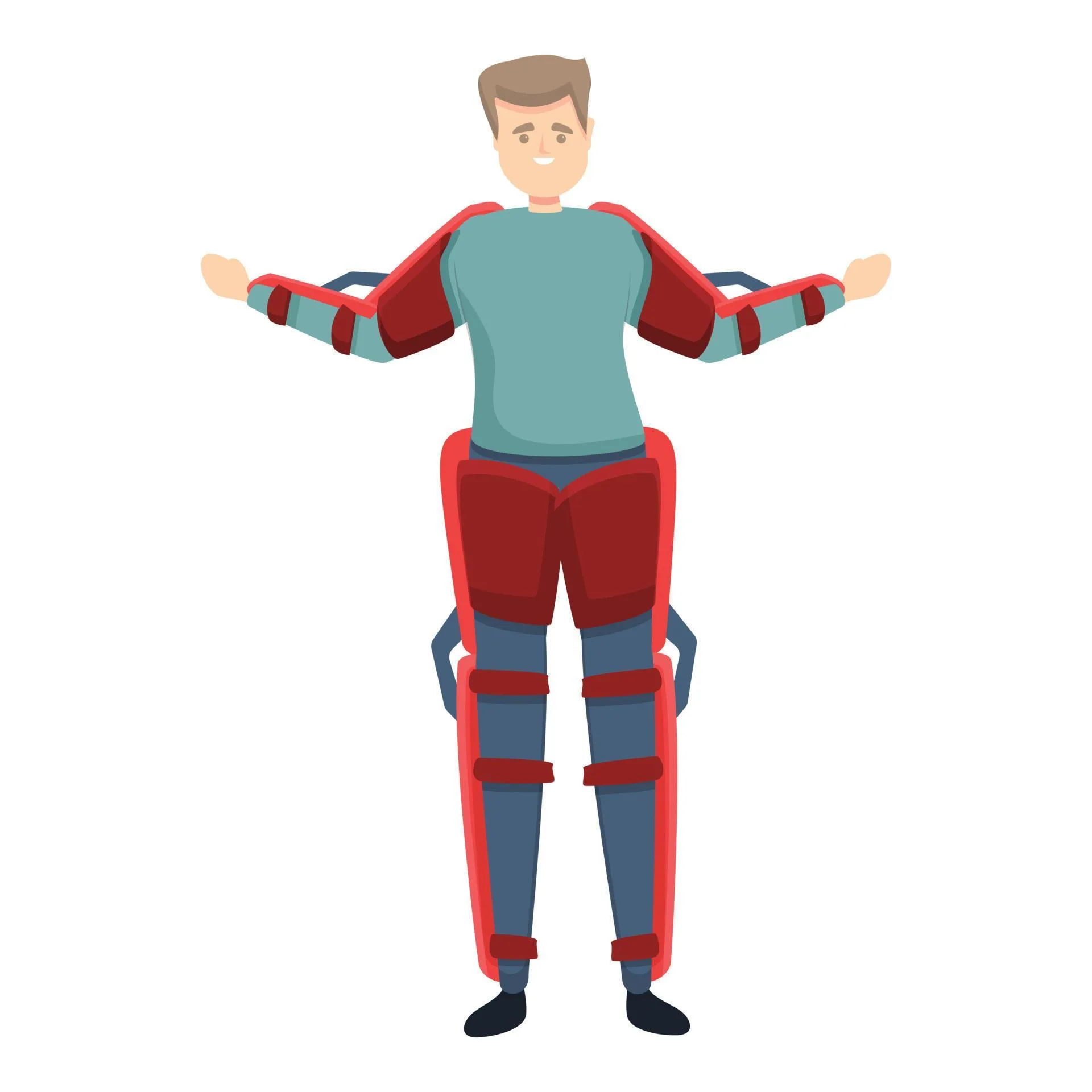
The exoskeleton studied was developed to assist operators in tasks where the arms, or even the elbows, are raised above shoulder height, as is often the case for drywallers, electricians or masons.
These devices are designed to relieve shoulder and back joints during prolonged periods of work in awkward positions. The study program was conducted with employees in companies of varying sizes, from SMEs to large corporations, and focused on a usage period of six to twelve months.
The study's results are primarily based on user feedback. The objective was to determine whether the exoskeleton improves operators' health without adverse side effects, while also investigating its potential impact on worker productivity.
Results: Reduced pain during strenuous tasks
The results show notable improvements for operators using the exoskeleton, particularly with regard to pain in the upper limbs and spine.
However, the results varied depending on the intensity and duration of use. On average, operators used the exoskeleton for 120 minutes per day, but the duration of use varied from 10 minutes to more than 5 hours, depending on the tasks and worksites.
Exoskeleton: a careful support phase is necessary.
The study suggests that certain optimal conditions must be met to ensure the successful integration of exoskeletons into daily work life. It therefore proposes a careful support phase and a preliminary assessment of the specific needs of workers.
Although operator productivity was not significantly affected, the primary objective of this approach remains the prevention of musculoskeletal disorders (MSDs). In this context, exoskeletons could become an important tool in the fight against MSDs in the construction industry.
Thus, while highlighting the need to continue research to refine the use of this equipment, this study paves the way for a wider adoption of exoskeletons, in a logic of prevention and safety at work.