


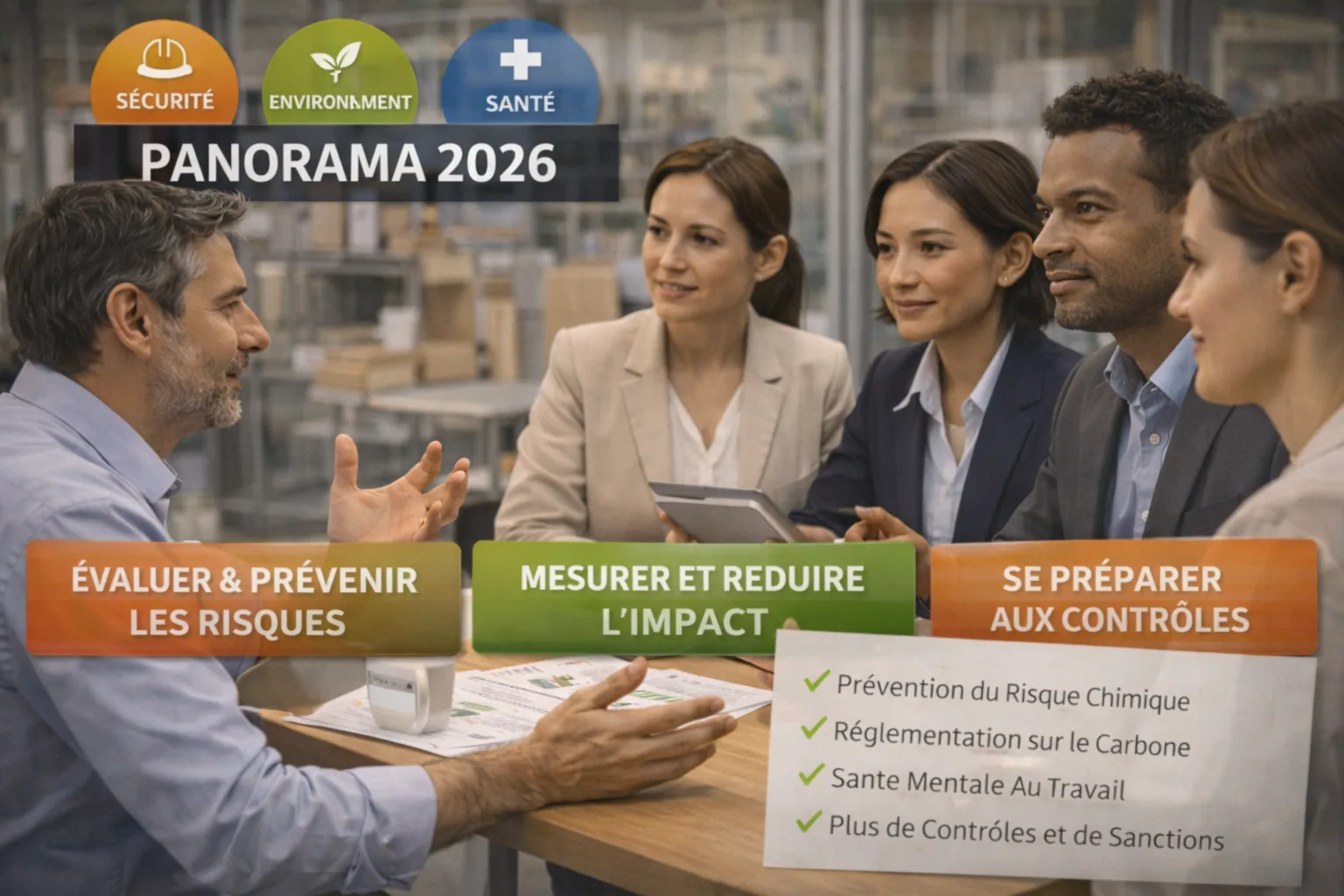
In terms of HSE, 2026 is not a "revolution" year, but a year in which several issues become impossible to ignore: concrete implementation of reforms undertaken, rise in climate risks (heat), tightening on certain substances, and environmental obligations which translate into operational practice.
DUERP: more than ever a management tool (and proof in case of problems)
The DUERP (Single Document for Risk Assessment) is mandatory from the first employee. It must be updated at least annually in companies with at least 11 employees (and with each significant change or new information).
The digital deposit portal provided for in the texts was still not available (latest public state widely repeated), which reinforces the importance of your own internal archiving and dissemination organization.
Management involvement: don't delegate the "DUERP" (Single Risk Assessment Document) like a file. Request a quarterly review: major risks, actions, delays, and arbitration.
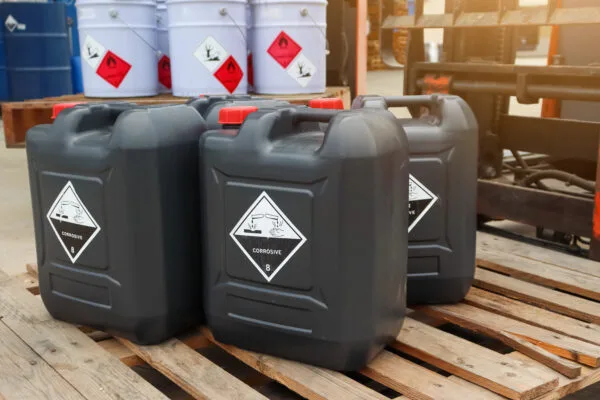
Chemical risk / CMR: enhanced traceability and new occupational exposure limits
The decree of April 4, 2024 strengthens the traceability of workers' exposure to CMR agents, with structured requirements (including a list of workers likely to be exposed) and an entry into force in mid-2024.
The EU has lowered the limit values for lead and regulated diisocyanates, with a transposition deadline of April 9, 2026.
Management involvement: Include chemical risks in your "COMEX" risk reviews if you have a workshop, maintenance, surface treatment, adhesives/resins, etc. This is typically an area where accidents are rare… but the legal and health risks are significant.
Workplace warmth: a strengthened framework since July 2025
Since July 1, 2025, the French Labor Code has incorporated enhanced prevention obligations during periods of intense heat, including risk assessment and the measures to be implemented. The thresholds for periods of intense heat are linked to weather warnings (decree of May 27, 2025).
Management involvement: demand an operational 'heat plan' (schedules, water, breaks, adaptation, instructions, right to raise the alarm, on-site monitoring). Heat is a safety risk (accidents) as well as a health risk.
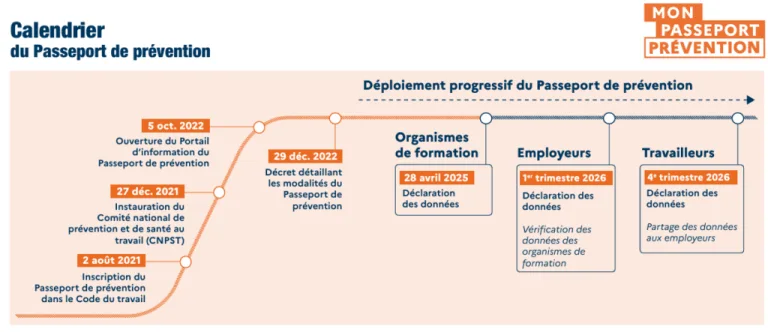
Prevention Passport: A very concrete HR/HSE deadline in 2026
The deployment of the Prevention Passport continues: since September 1, 2025, training organizations have been declaring SST training courses, and the employer area will open from March 16, 2026 for employer declarations.
Management involvement: this is an opportunity to bring order to the governance of authorizations/permits/training, and to secure traceability.
Environment: waste, biowaste, PFAS… operations are catching up with strategy
The separation of biowaste at the source has been mandatory for both businesses and individuals since January 1, 2024. Many companies have not yet properly integrated this requirement into their operations.
Since January 1, 2026, the PFAS law imposes progressive bans on certain products by category, potentially affecting purchasing, R&D, product compliance and supplier relationships.
For managers: conduct a mini purchasing/supplier audit covering substances, products, waste, supply chains, and traceability. This analysis is not optional but necessary for business continuity.