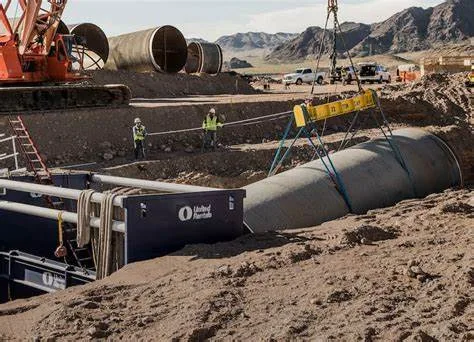



Did you know? Trenches deeper than 1.30m are considered confined spaces. As with other confined spaces, operators must have received training in confined space work and work in pairs with a confined space monitor, also known as a lookout.
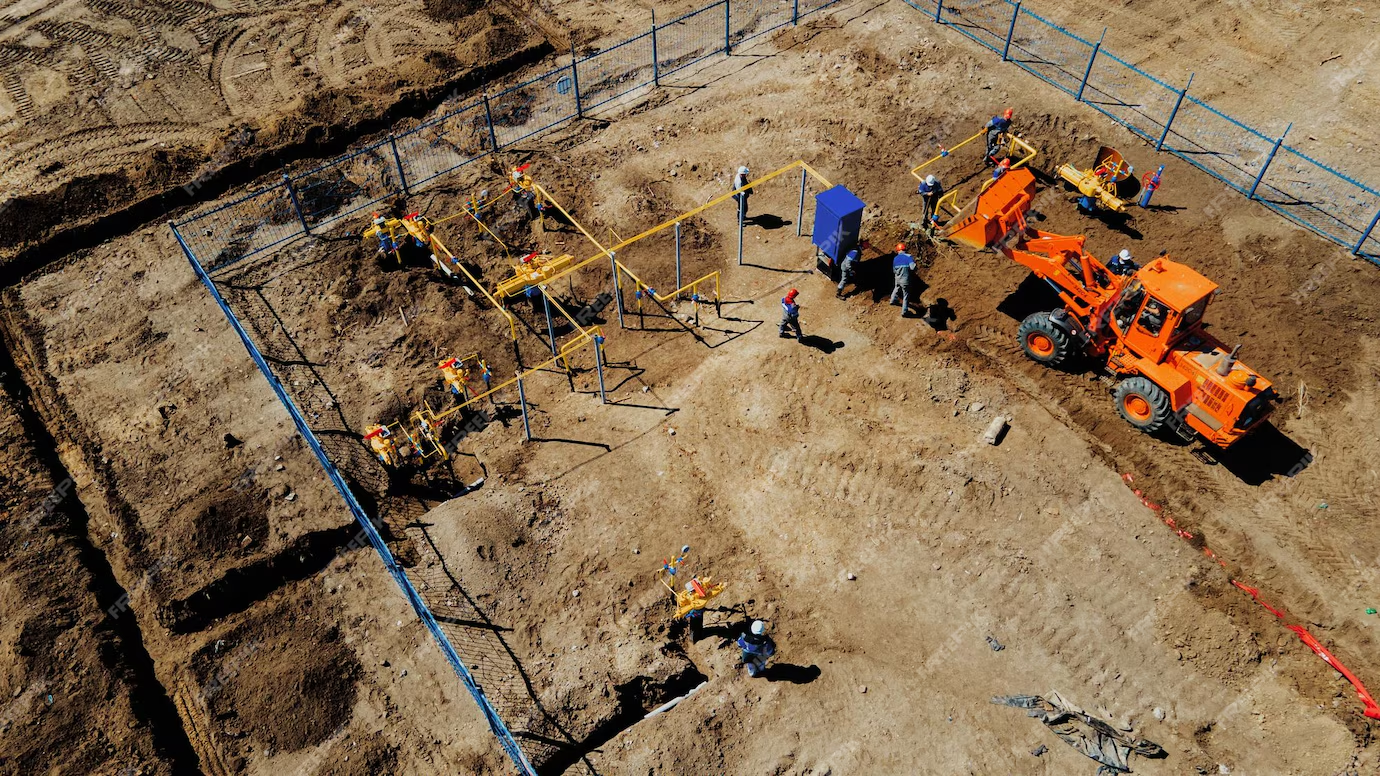
Regulatory framework to be taken into account
The Labour Code, through its articles R4511-8 to R4511-14, sets out the conditions for opening excavations and the obligations for protection against the risks of collapse.
Article R4534-1 and its following sections highlight the importance of preventing collapses during trenching activities.
It is also essential to carry out a risk assessment, adapt working methods and train and inform workers.
Normative references and technical guides such as INRS ED 6084, OPPBTP technical sheets, CARSAT circulars and NF EN 13331 standards provide recommendations and specifications to ensure safety during trench work.
Risks associated with working in trenches
The main risks include wall collapse, falls from height, hazardous atmospheres, accidents involving machinery and equipment, material slides and adverse weather conditions.
Several factors can exacerbate these risks, such as soil type, trench depth and width, the presence of vibrations, and prolonged exposure. To ascertain the presence or absence of these risks and to implement the necessary organizational, technical, and human preventive measures for the smooth execution of operations, an excavation permit is mandatory. This permit must include most of the sections found in a confined space entry permit.
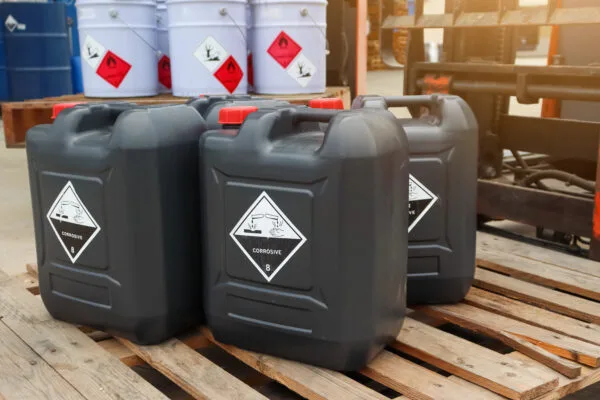
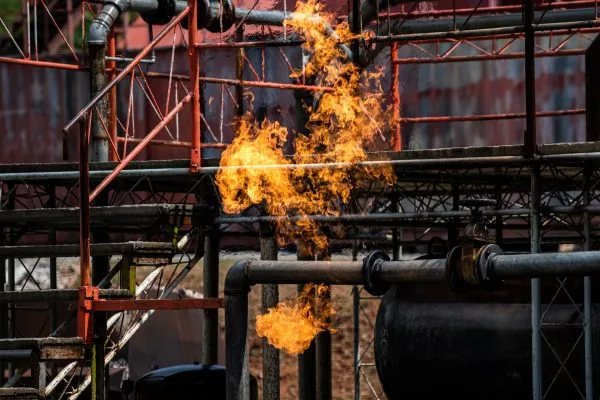
Among the multitude of risks that can exist in trenches, it is important to focus on toxic, corrosive, and heavy (gas density greater than 1) and volatile gases and vapors. Toxic and corrosive vapors can quickly poison operators who are not equipped with FFP3 masks with appropriate cartridges and multi-gas detectors calibrated for the substances being monitored. Flammable vapors and gases, on the other hand, can cause explosions if their concentration falls within the explosive range (see article on ATEX). To avoid this, the use of an explosimeter seems more important than ever.
Collective and individual protective measures
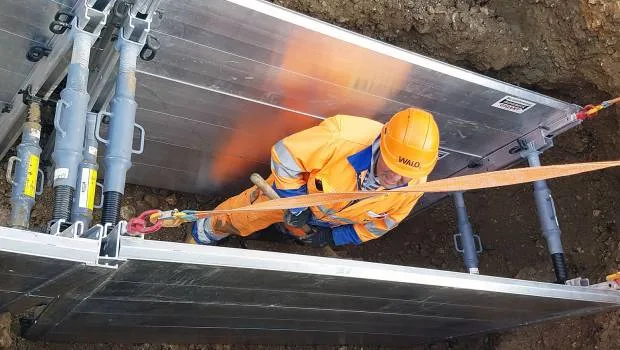
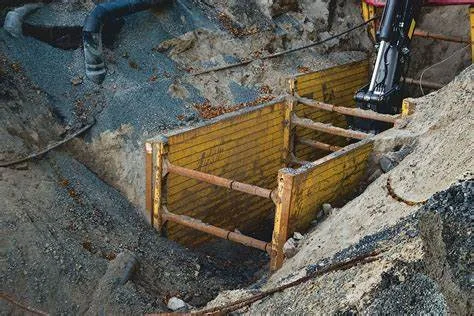
Collective protection against collapse consists of the use of shoring or bracing, slope stabilization of walls, appropriate signage and marking, secure access devices, regular monitoring (by a specifically designated lookout), atmospheric control and management of material storage.
For personal protection, personal protective equipment (PPE), safety harnesses and communication devices are required.
Staff training and occupational health
It is imperative to provide specific training on the risks of collapse, good working practices in trenches, identification of signs of instability, emergency evacuation procedures and first aid measures.
Appropriate medical monitoring is also recommended to assess the physical fitness of workers to work in this type of environment, detect medical conditions and prevent risks related to working conditions.
At MD Conseil Formation, we offer several training courses and services to better train your teams in risk assessment before entering confined spaces and in the implementation of best practices.
Essential recommendations
In conclusion, it is essential to accurately assess risks, implement effective signage, ensure safe access, train staff, and organize regular medical monitoring.