


In the beauty care sector in France, no less than 33,000 working days are lost per year, on average 81 days of absence due to work accidents and 244 days due to occupational diseases.
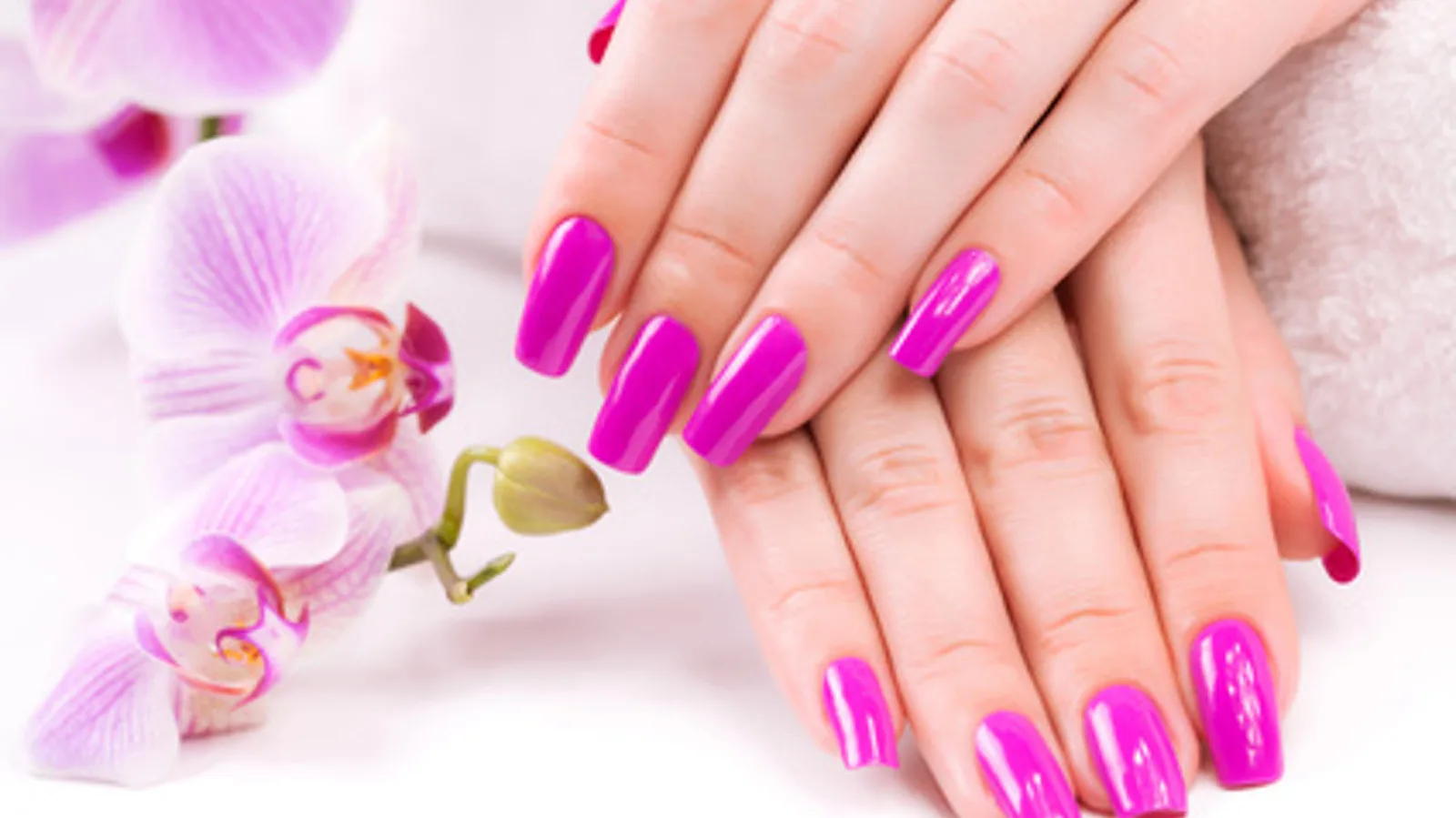
Dangerous chemical substances
- Acrylates Present in UV gels and resins, they are highly allergenic
- Formaldehyde Used in some hardeners, it is a known carcinogen.
- Toluene As a solvent in varnishes, it affects the central nervous system
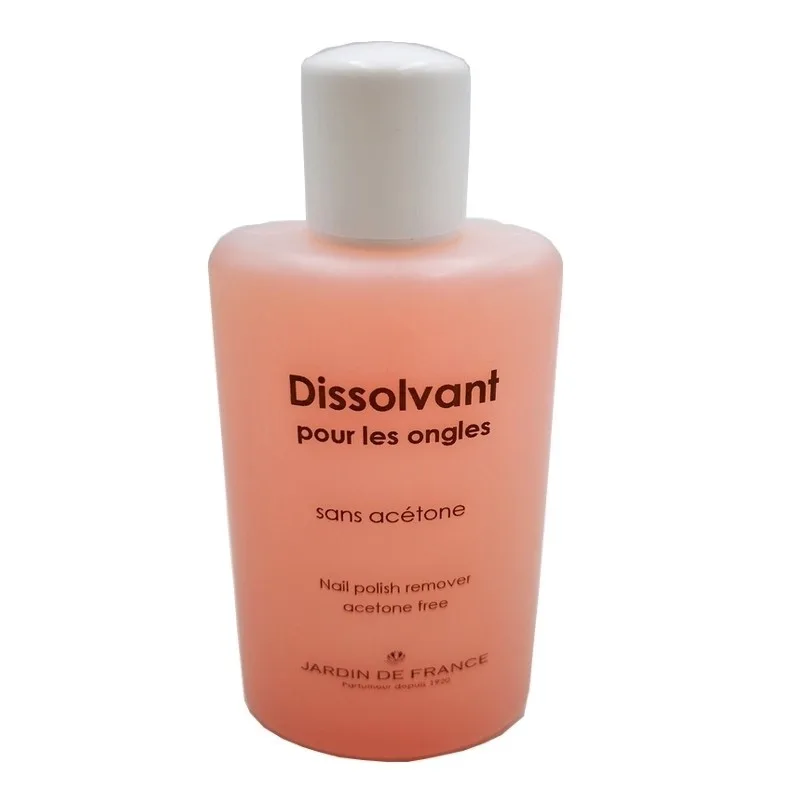
- Acetone Used to remove nail polish or artificial nails, it is irritating to the respiratory tract.
- Phthalates : plasticizers that are potentially endocrine disruptors
- Rosin Used in some glues, highly allergenic
Modes of contamination
- Respiratory tract : inhalation of fumes or dust (gel nail sanding).
- Cutaneous route : direct contact with the skin, often through splashes or prolonged use without suitable gloves.
- Ocular route : accidental splashes.
- Digestive tract : extremely rare, due to hand-to-mouth cross-contamination.
Induced pathologies
- Allergic or irritant contact dermatitis (especially acrylates).
- Occupational asthma and respiratory problems.
- Headaches, dizziness, cognitive impairment (toluene, acetone).
- Endocrine disorders and potential congenital malformations (phthalates).
- Carcinogenic risks (formaldehyde).
- Chronic irritation of the eyes, nose, throat.
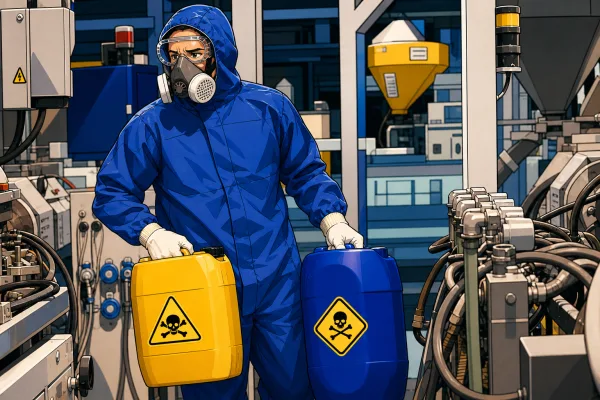
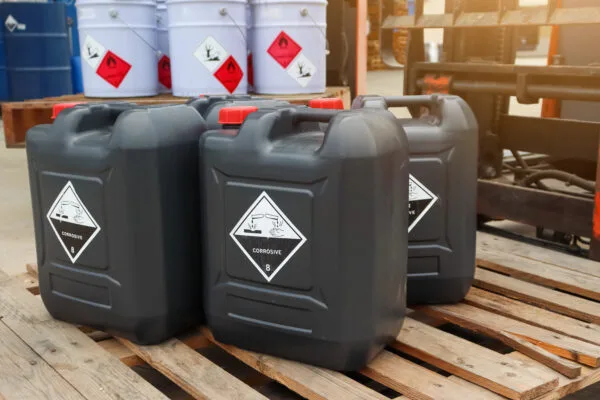
At MD Conseil Formation, we offer several training courses and services to best manage the selection of chemical products, purchasing process, storage, use and specific PPE for the use of chemical products.
Means of prevention and protection
Product selection
In consultation with suppliers, choose the least dangerous products and follow the instructions for use.
Ventilation
Install mechanical ventilation or ventilate the premises regularly.
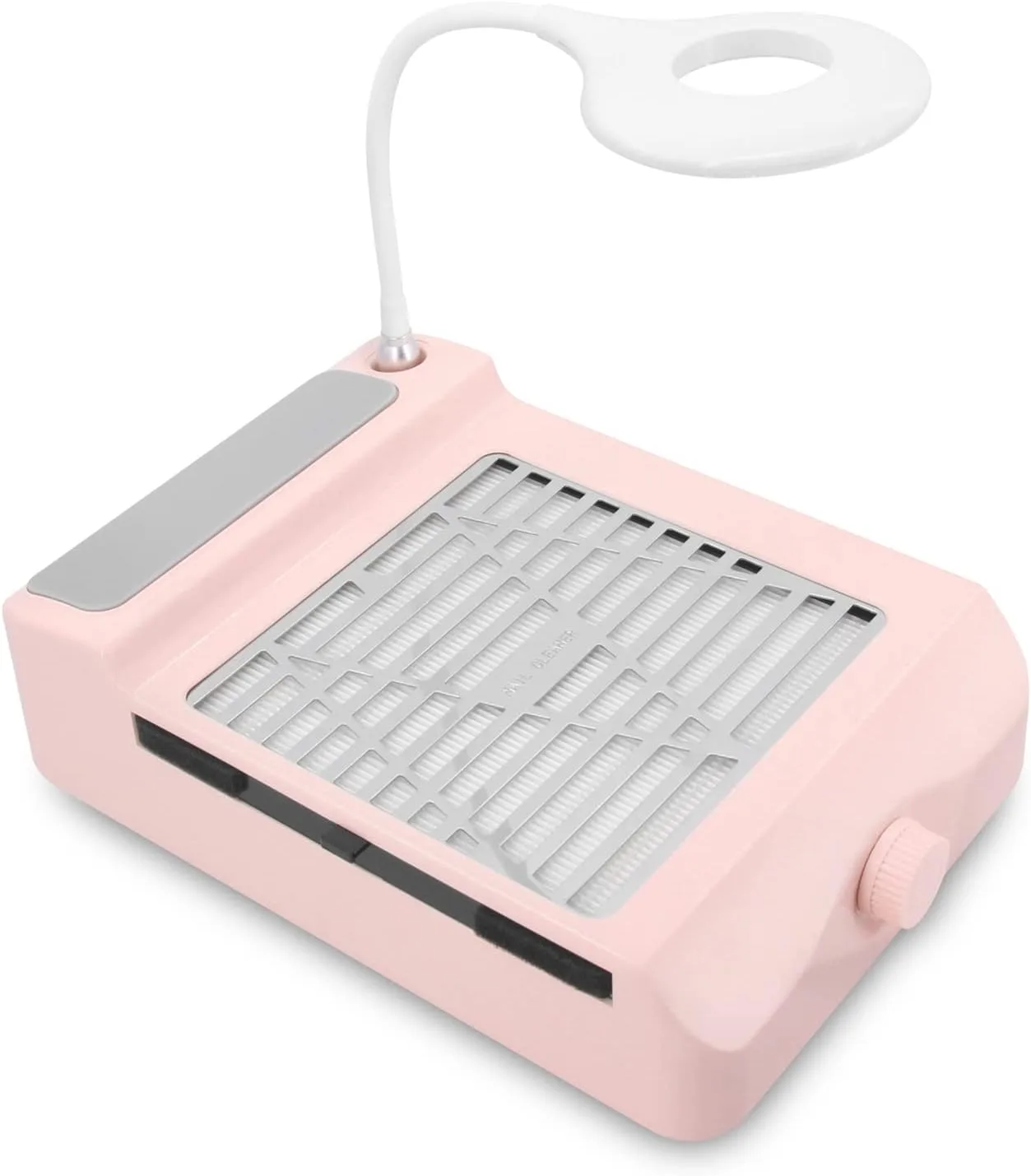
Suction tables
Use work tables equipped with a device for extracting harmful fumes and dust.
Protective equipment
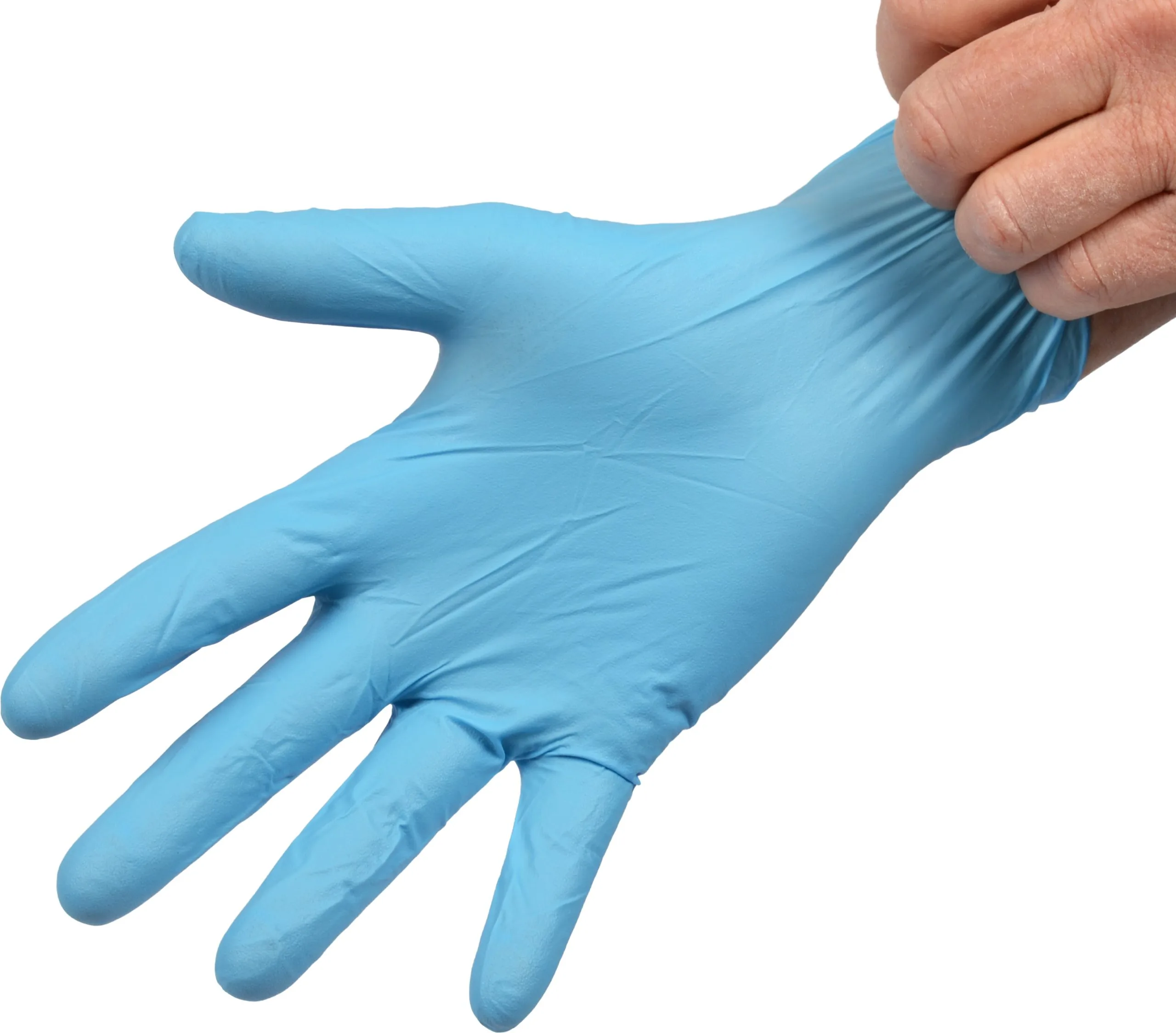
Have them wear disposable nitrile gloves, a mask and protective goggles.
The use of gloves, protective eyewear and a mask reduces the risks associated with chemicals and viruses, bacteria and fungi.
Strict hygiene rules
Define strict hygiene rules.
- Only accept work on healthy nails! Do not accept work on hands with dermatological lesions (fungal infections, infections, etc.)
- Use single-use equipment as much as possible
- Wear gloves
- Wash your hands thoroughly with mild soap
- Disinfect or sterilize the instruments
- Clean the work table
At MD Conseil Formation, we offer several training courses and services to best manage the selection of chemical products, purchasing process, storage, use and specific PPE for the use of chemical products.