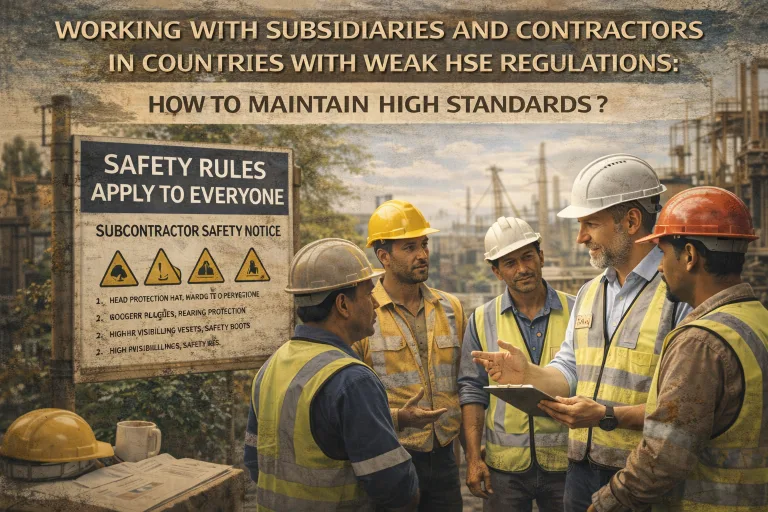




THE PGCSPS (General Coordination Plan for Safety and Health Protection) is a prevention document established by a SPS coordinator, mandated by a project owner.
In France, the development of a PGCSPS (General Plan for Health and Safety Coordination) is mandatory for all construction and renovation sites that present particular risks, including:
- Large-scale construction projects.
- Complex construction projects.
- Construction sites involving simultaneous work by several companies.
This obligation is defined by the Labour Code in articles R4532-1 to R4532-57.
This plan is OBLIGATORY for construction and public works operations:
- exceeding 20 workers over 30 working days,
- or representing more 500 men/day,
- or containing work involving particular risks, even for a smaller volume.
THE project owner must provide the PGCSPS in the tender documents (DCE). If he is not, neither he nor the coordinator can demand one. PPSPS (Specific Health and Safety Protection Plan) from you.
The Health and Safety Coordination Plan (PGCSPS) is updated and adapted throughout the operation, as companies arrive on site and according to the different phases of work. This update is communicated to all companies by the Health and Safety Coordinator.
Although you do not have to draft the PGCSPS, you must to know him to establish your own PPSPS. Both documents are complementary.

The content of the PGCSPS
- A detailed description of the construction project, including administrative information (name, address, dates, budget, type, area)
- Identifying the various stakeholders on the construction site, including companies and subcontractors
- Risk analysis related to the work and preventive measures to be implemented
- The provisional schedule of works and the different phases of the construction site
- The coordination methods between the different companies and stakeholders
- Specific provisions regarding occupational safety and health, as well as the required personal protective equipment
- Emergency access and evacuation plans
- Procedures to follow in case of an incident or accident on the construction site
The main pitfalls to avoid
1. Copy-paste without personalization
Risk A generic document does not take into account the specific characteristics of the construction site (site, co-activity, risks, etc.)
Good practice : Examine each project individually and adjust the content according to technical constraints, environment and access.
2. Forgetting to link the PGCSPS to other safety documents
Risk Inconsistencies between the PGCSPS, the PPSPS of companies, and the design PGC
Good practice : Coordinate documents from the design stage and ensure consistency with the client's DUER.
3. Underestimating co-activity
Risk Unassessed risks related to the simultaneous presence of several companies (falls, collisions, electricity…)
Good practice : Plan interventions in phases, create distinct work zones and adjust schedules if necessary.
4. Neglecting consultation with companies
Risk Preventive measures will not be effective if they do not take into account actual working methods.
Good practice : Involve companies during the drafting process and adjust the plan after receiving their PPSPS.
5. Writing a document that is too complex or too vague
Risk Misunderstanding by field teams, poor ownership, ineffective application.
Good practice : Use clear, structured language, with tables, plans, diagrams if necessary.
6. Forgetting to update the PGCSPS
Risk The document becomes obsolete if the conditions of the construction site change (schedule changes, new companies, etc.)
Good practice : Implement active monitoring of the construction site with regular and documented updates.
7. Failure to include specific risks (lead, asbestos, ATEX…)
Risk : Regulatory non-compliance, serious unanticipated risks.
Good practice : To rely on technical diagnoses and integrate them into the coordination document.
8. Underestimating the role of the SPS coordinator
Risk The coordinator becomes a mere writer, without an operational role.
Good practice : Ensure an effective presence on the ground, organize security coordination meetings.
Place
Criminal liability
The legal obligation requires the appointment of a health and safety coordinator from the design stage for construction sites with multiple companies.
Failure to comply may result in a fine of up to €9,000 for failure to designate a driver. In the event of a fatal accident, criminal liability may be incurred, with a maximum sentence of 3 years imprisonment and a €45,000 fine, increased to 5 years and €75,000 in cases of manifestly deliberate violation.
The coordinator can be prosecuted if he fails to develop the plan or if it has obvious deficiencies, particularly in the event of a contribution to a fatal accident.
Project managers and companies can be prosecuted for joint action or complicity if they have participated in poor organization or have not complied with the requirements of the plan.
Civil liability
Victims and their beneficiaries can obtain substantial compensation, sometimes amounting to several hundred thousand euros. Professional liability insurance may be invoked, but serious criminal offenses may exclude coverage.
Case law examples
The PGCSPS had not properly assessed the risks associated with working at height, particularly the transport of bulky materials.
The Court of Cassation has confirmed the criminal liability of the company Norisko Coordination.
Court of Cassation, Criminal Division, Criminal Chamber, September 14, 2010, 09-87.886