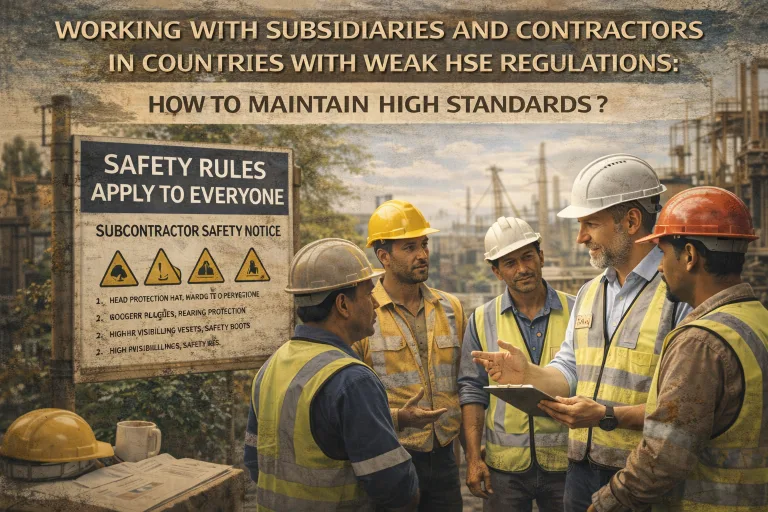



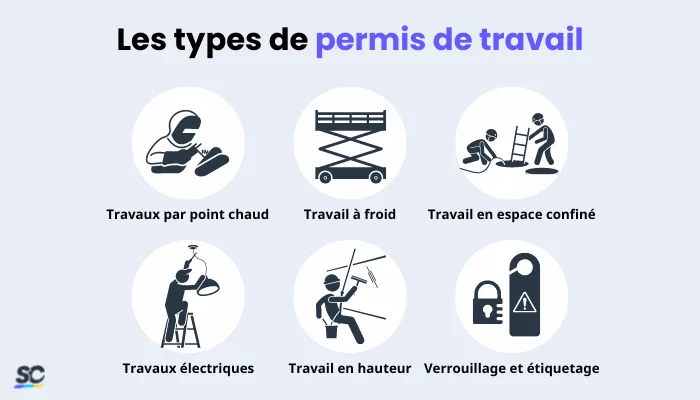
A work permit is a written document that formalizes the conditions for carrying out hazardous work in a controlled environment, with the aim of ensuring the safety of those involved. In industrial settings, it is often required for work carried out by external companies, such as maintenance, electrical work, welding, work at heights, or work in confined spaces. It also applies to work involving specific risks such as fire, explosion, toxic atmospheres, or electrical hazards, as well as work requiring special measures such as equipment shutdown or lockout/tagout procedures.
The objectives of the work permit are to clarify the responsibilities of the various stakeholders, to ensure that risks have been identified and controlled, and to ensure effective coordination and optimal communication between stakeholders.
Regulatory context and normative references
The French Labor Code, through articles such as R4512-1 and subsequent articles, requires companies to coordinate and implement procedures for subcontracted work. It also governs work involving specific risks, such as working at heights, in confined spaces, or hot work. Certain articles, such as R4541-7, mandate lockout/tagout procedures and hot work permits.
In addition, normative references and guides such as INRS ED 6104, OPPBTP practical sheets on work permits and safety instructions, or CARSAT circulars, provide a framework for managing interventions in industrial environments.
Risks and situations justifying a work permit
Several specific risks and situations may justify the need for a work permit to ensure the safety of workers. These can include fire and explosion hazards, electrical hazards, work in confined spaces or at heights, handling of hazardous chemicals, or work in toxic atmospheres or oxygen deprivation. Situations such as maintenance or repair work, simultaneous work by multiple companies, or work outside of normal business hours also require a work permit.

Case law and responsibilities
Case law places a greater responsibility on employers in coordinating work with external companies. In the event of an accident, the absence or mismanagement of work permits is often considered negligence. It is therefore essential to document risk assessment and preventative measures to avoid liability. Court rulings have already penalized employers for failing to meet their safety obligations when external companies were working without permits.
Best practices for risk assessment and work permit preparation
To ensure optimal risk management and effective drafting of the work permit, a rigorous and collaborative risk assessment must be conducted before the permit is issued. It is recommended to precisely identify the work to be carried out and the associated risks, to list the equipment, products, and areas involved, and to analyze the risks related to the environment and the specific site conditions. It is also essential to consult internal reference documents and prevention guides such as those from INRS or OPPBTP. The work permit must include clear identification of the personnel involved, a precise description of the work, locations, dates, and times, as well as a list of preventive measures to be implemented. Emergency procedures must also be included, with validation by the safety manager and the relevant parties. It is recommended to limit the permit's validity period, with the possibility of renewal.
Communication and coordination
Effective communication and optimal coordination are essential to ensure the safety of all personnel involved. Before work begins, a briefing is mandatory to inform all parties concerned. The work permit must be issued to all individuals involved, and compliance with safety instructions must be monitored periodically. It is crucial to meticulously archive the permit and the final intervention reports to ensure proper tracking of work and lessons learned.
Recommendations for the secure management of subcontracted work
In conclusion, it is crucial never to begin hazardous work without a properly completed and validated work permit. A rigorous and collaborative risk assessment before issuing the permit is essential, as is the involvement of all stakeholders: employer, external companies, management, and operators. Continuous monitoring during the work is recommended to verify compliance with safety measures, while also archiving all permits and lessons learned to improve future prevention.