


Psychosocial risks, long considered taboo, are now a major concern for many companies. Increased sick leave due to anxiety and depression, recruitment and retention difficulties, episodes of tension or open conflict, cases of burnout: the signs are too numerous to ignore.
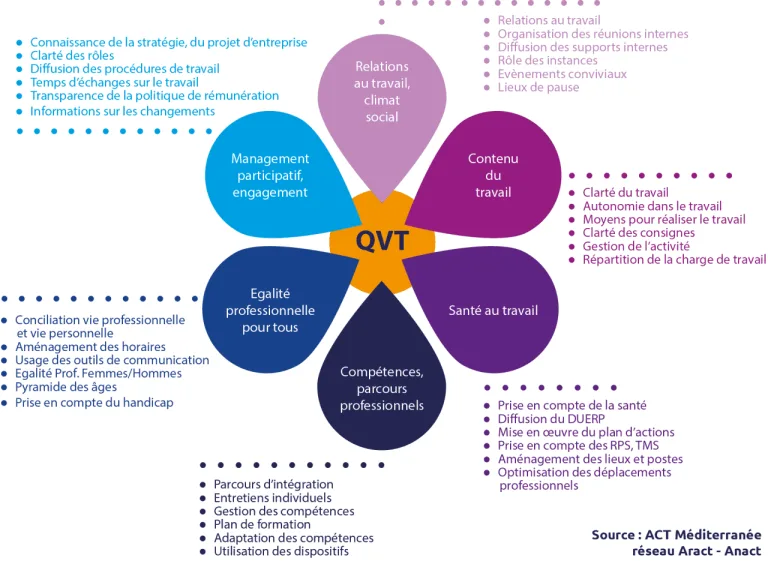
The first important clarification is to reiterate that preventing psychosocial risks is primarily a matter of work organization, and therefore the employer's responsibility. It's not about "strengthening the individual resilience" of employees, but about examining what aspects of workload, management styles, team dynamics, and the constraints of the work itself can generate stress, fatigue, a sense of meaninglessness, or a feeling of injustice. In this context, managers are key players because they are in direct contact with the actual work, but they must be supported by HR, senior management, prevention services, and, where available, occupational health services.
A manager's role is not to make a clinical diagnosis of an employee's psychological state. However, they can, and should, be attentive to certain warning signs: changes in behavior, unusual irritability, withdrawal, repeated lateness, unusual mistakes, progressive isolation, new relationship difficulties, and disillusioned speech. They must also be able to listen to complaints, even if expressed clumsily, without dismissing them out of hand. Saying "it's the same for everyone" or "we have no choice" may seem like a way to maintain order, but it often amounts to denying suffering, with the risk of the situation worsening.
For a manager, taking preventative action against psychosocial risks begins with active listening and being present. Being available for regular one-on-one meetings and inviting employees to discuss their workload, priorities, and challenges is a crucial first step. This isn't about intruding on their personal lives, but about discussing the work itself: what's going well, what's not working, and what's needed to properly fulfill the requirements. This dialogue can help identify workload imbalances, conflicting instructions, tensions with other departments, and misunderstandings about expectations.
The organization of the work itself is a major area of focus. When objectives are vague, shifting, or clearly unrealistic given the available resources, the likelihood of tension increases significantly. A manager can address this by clarifying priorities, ranking tasks, and avoiding, as much as possible, treating everything as urgent. They can also ensure a more equitable distribution of workloads, avoiding over-reliance on the same "reliable" individuals to the point of burnout, and providing more support to those experiencing difficulties. Finally, they can pay close attention to work pace, overtime hours, and actual recovery time.

The way feedback is given, work accomplished is recognized, and mistakes or failures are handled also plays a major role. An environment where only what's wrong is discussed, where shortcomings are publicly pointed out without ever valuing efforts or successes, fosters demotivation and even distress. Conversely, a culture where difficulties can be discussed without fear of stigmatization, where mistakes are considered learning opportunities as well as areas for improvement, and where contributions are acknowledged, contributes to the mental well-being of teams. A simple, sincere thank you, highlighting a relevant initiative, can sometimes defuse feelings of inadequacy.
However, managers can't do everything. They don't always control the constraints imposed by headquarters, productivity targets, or changes decided at another level. They can even, at times, find themselves struggling, caught between conflicting demands. That's why it's essential that the company provides them with support: specific training, peer-to-peer exchange opportunities, access to HR or occupational health services when they're concerned about an employee, and clear procedures to follow in serious situations. Knowing who to contact and how to guide someone who is struggling is one of the essential managerial skills today.

Preventing psychosocial risks isn't limited to periods of declared crisis. It's built up daily, in the way work is organized, workloads are regulated, conflicts are handled, and transitions are managed. Managers, without being therapists, can be stable points of reference, attentive listeners, and facilitators. They help create an environment where difficulties can be discussed without shame, where temporary vulnerability isn't mistaken for incompetence, and where signs of fatigue are taken seriously before they turn into long-term sick leave.
Ultimately, for a manager, addressing psychosocial risks means accepting that performance is not built at the expense of people's health, but rather in conjunction with it. It means understanding that a team that feels respected, listened to, and supported will be more reliable, more creative, and more loyal. This shift in perspective, which must be nurtured and supported, is both a long-term investment for the company and a human imperative.