


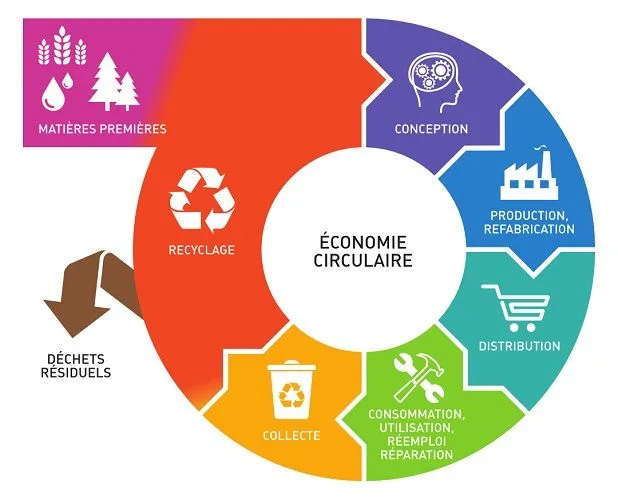
The circular economy is often presented as an ambitious, almost utopian concept: moving from a linear "extract, manufacture, consume, discard" model to one where resources are used, reused, repaired, and recycled for as long as possible. For many businesses, this may seem far removed from their day-to-day concerns. Yet, behind this concept lie very concrete opportunities to reduce both waste and costs. The circular economy is not just a matter of environmental image; it is also a lever for competitiveness.
A first approach: better understand your material and waste flows
Many companies have only a rough idea of what they actually throw away: what quantities, what types of waste, at what stages of production or services, and at what cost. Conducting a simple "waste audit," based on invoices, supplier records, and on-site observations, often reveals unsuspected sources of waste: unused packaging, recurring waste, over-consumed consumables, and losses during certain stages.
Based on this assessment, it becomes possible to identify targeted actions. Reduction at the source is always the most effective: eliminating unnecessary packaging, optimizing cutting processes to reduce waste, adjusting consumable orders to avoid expired stock, and reviewing certain standards to limit waste. These approaches often require close cooperation between the purchasing, production, and logistics departments, but they can quickly generate significant savings.
Internal reuse is another way
In some workshops, bins, pallets, containers, and protective equipment are thrown away when they could be cleaned, repaired, and put back into circulation. Establishing structured reuse systems, with clear responsibilities, collection points, and simple rules, prevents these items from becoming waste prematurely. In offices, reusing furniture, IT equipment (after refurbishment), and supplies can also reduce purchases.
External reuse opens up even more possibilities.
Materials, equipment, and products that have become obsolete for the company can find a second life elsewhere: donations to charities, sales on specialized platforms, partnerships with social integration or social and solidarity economy organizations, and connections with other businesses that have complementary needs. These approaches must be carefully managed to comply with safety and liability regulations, but they can transform a cost item into a small source of value, while simultaneously strengthening local ties.
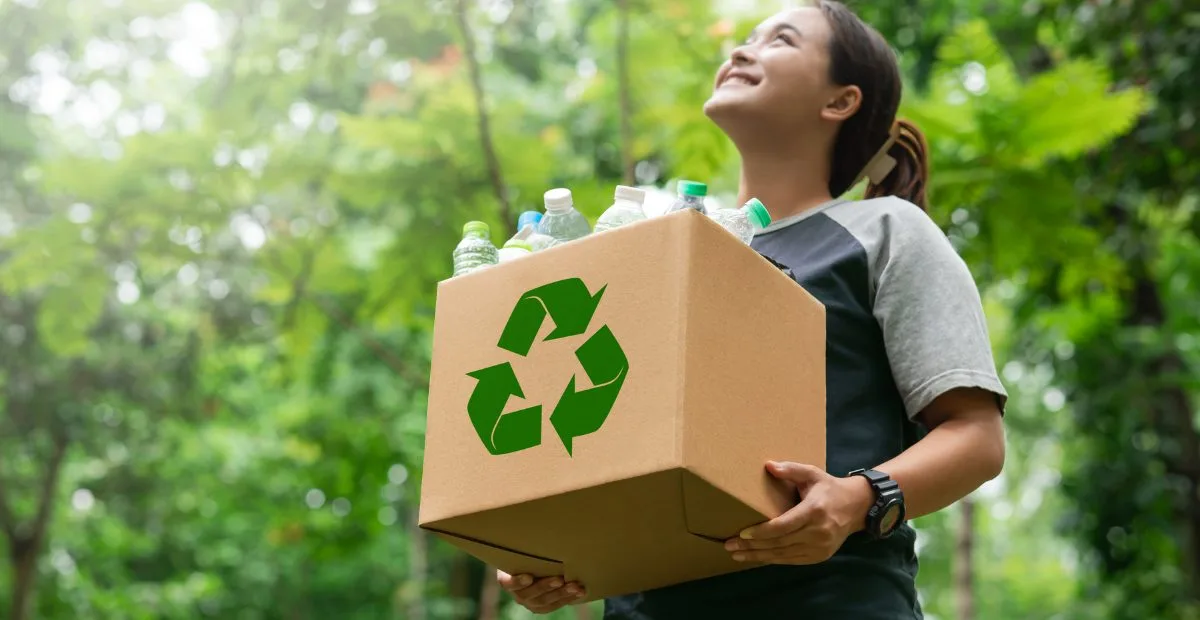
Recycling, often highlighted, is used as a last resort, once the possibilities of reduction and reuse have been explored.
However, it remains an important lever, provided it is well-organized. Better sorting, better storage, and better labeling improve the quality of recyclable materials, increase recovery rates, and sometimes even negotiate better terms with service providers. Employee involvement is crucial here: effective sorting cannot be decreed; it is built through information, simplification (fewer bins, but better labeled), and feedback on results.
The circular economy is not limited to waste. It also raises questions about the design of products or services.
Can we design a product that is more easily repairable, disassembled, and modular, with some parts that can be replaced or reused? Can we offer business models based on usage rather than ownership (rental, service) to encourage longer lifespans and optimal maintenance? For SMEs and mid-sized companies, these avenues may seem distant, but small-scale experiments on certain product lines or segments are conceivable.
HR has an important role to play in these processes.
They can encourage projects led by volunteer teams, integrate waste reduction objectives into certain job roles, support initiatives driven by motivated employees, and organize internal challenges focused on the circular economy. They can also connect employees from different departments (production, purchasing, logistics, CSR) to collaboratively develop solutions, rather than allowing each department to act in isolation.
For field managers, the circular economy is an opportunity to mobilize their teams around concrete, visible, and immediately useful projects.
Reducing waste isn't just about helping the environment; it also improves efficiency, cleanliness, workstation organization, and job satisfaction. By involving teams in finding solutions, recognizing implemented ideas, and tracking results (waste avoided, reduced costs, increased recycling), they transform a sometimes abstract concept into a practical approach.
The circular economy begins with simple questions: where is waste occurring? What should be avoided, reused, or recycled? By progressively answering these questions methodically and creatively, companies discover that what was considered waste can become a source of savings and collective pride.