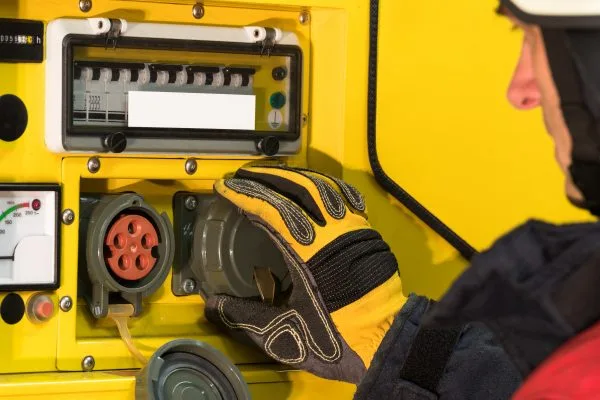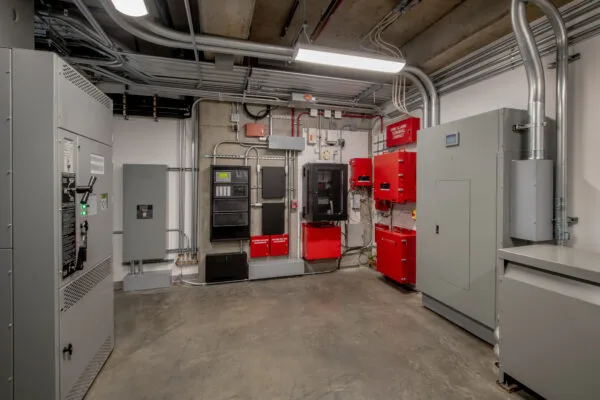



Why is the risk of electrical hazards particularly critical?
Electricity is invisible and its effects are immediate. Simple contact with a live part can cause:
- Serious health consequences (cardiac arrest, internal burns)
- Secondary accidents (falls, projections)
- Fires broke out
These risks concern not only electricians, but also many other professions (maintenance, production, cleaning, management).
What does the regulation say?
The Labor Code requires employers to protect workers against electrical hazards. This includes, in particular:
- To train employees on electrical hazards
- To issue an electrical authorization adapted to the operations
- To implement secure work procedures
Electrical authorization is a formal recognition by the employer of an employee's ability to work safely with regard to electrical hazards.
What are the main electrical qualifications (low voltage)?
Authorizations are defined by the NF C 18-510 standard and adapted to the activities:
- Non-electrician qualifications:
- B0 / H0V: access to electrical premises without intervention
- BS: basic interventions (fuse replacement, resetting)
- BE maneuver: operational maneuvers (start/stop)
- Electrician qualifications:
- B1 / B1V: Electrician
- B2 / B2V: Project Manager
- BR: Intervention officer (troubleshooting, maintenance)
- BC: Consignment Officer
Each level corresponds to specific responsibilities and skills. Authorization must be tailored to the actual job.
What is the role of the electrical supervisor?
In certain situations, particularly during hazardous work, an electrical supervisor may be appointed. Their role is essential:
- Ensure compliance with safety rules
- Monitor the work environment
- Alert in case of a dangerous situation
- Intervene in case of deviation or drift
It provides an additional level of security, particularly for complex or sensitive operations.
Why is training essential?
The authorization can only be granted after appropriate training. This training enables:
- To understand the dangers of electricity
- To acquire safe work procedures (lockout/tagout, checking for absence of voltage, etc.)
- To master the protective equipment
- To adopt the right behaviors in the event of an incident
Theoretical training alone is insufficient: practical application is essential.
What are the penalties for non-compliance?
A lack of training or authorization exposes the employer to significant consequences:
- Criminal liability in case of accident (injuries, manslaughter)
- -Inexcusable fault recognized in the event of a breach of the safety obligation
- Administrative sanctions (formal notice, cessation of activity)
- Commitment of civil liability
In the event of an inspection or accident, the lack of appropriate authorization is a major aggravating factor.
How to structure your approach in a company?
The employer must:
- Identify situations exposing you to electrical hazards in the DUERP
- Define the required authorization levels for each position
- Train the employees concerned
- Issuing and monitoring authorizations (validity, renewal)
- Implement safe work procedures
This process needs to be regularly updated.
What are the risks of poor organization?
- Serious or fatal accidents
- Uncontrolled interventions
- Regulatory non-compliance
- Disruption of activity
Electrical hazards allow for no approximations.
In summary
Managing electrical risks relies on a crucial three-pronged approach: risk assessment, appropriate training, and formal authorization. This is essential for protecting employees and ensuring safe operations.
Do you want to train and certify your teams in electrical safety? Our training courses cover all certification levels (excluding specific high voltage) and support you in structuring your practices, securing your interventions and meeting your regulatory obligations.