


Why is fire prevention essential?
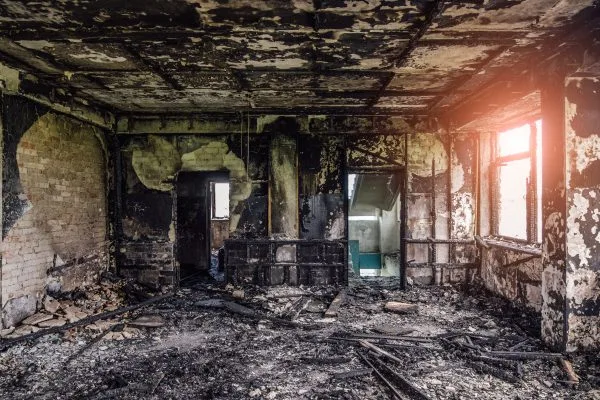
A fire can have major consequences:
- Endangering people
- Cessation of activity
- Significant material losses
- Damage to the company's image
In most cases, fires originate from known causes (electrical failure, human error, improper storage). Hence the importance of taking preventative action.
What are the main causes of fires?
Identifying the causes allows for better prevention:
- Faulty or overloaded electrical installations
- Hot work (welding, grinding)
- Storage of flammable products
- Accumulation of combustible waste
- Equipment failure or lack of maintenance
These situations must be integrated into the risk analysis.
What best practices should be implemented?
Fire prevention relies on concrete, everyday actions:
- Controlling the sources of ignition
- Electrical installation checks, supervision of hot work (hot work permits), smoking ban in hazardous areas
- Managing fuels
- Proper storage of flammable products, limiting quantities, regular waste removal
- Maintain the facilities in good condition
- Regular equipment maintenance, anomaly detection, preventive maintenance
- Ensuring good organization of the premises
- Clear emergency exits, accessibility of firefighting equipment (fire extinguishers), compliance with traffic zones
- Establish clear guidelines
- Fire procedures, visible signage, adaptation to site specifics
What is the role of employee training?
Equipment alone is not enough. Employees must be able to:
- Identify a risky situation
- Adopting good daily habits
- Responding effectively in the event of a fire
Training (fire extinguisher handling, evacuation, awareness) is an essential lever for establishing a prevention culture.
What are the employer's obligations?
The employer must:
- Assessing fire risk in the DUERP
- Implement appropriate prevention measures
- Install and maintain firefighting equipment
- Inform and train employees
- Organize regular exercises
A structured approach makes it possible to move from a reactive logic to a preventive logic.
What are the risks in case of negligence?
- Avoidable fire
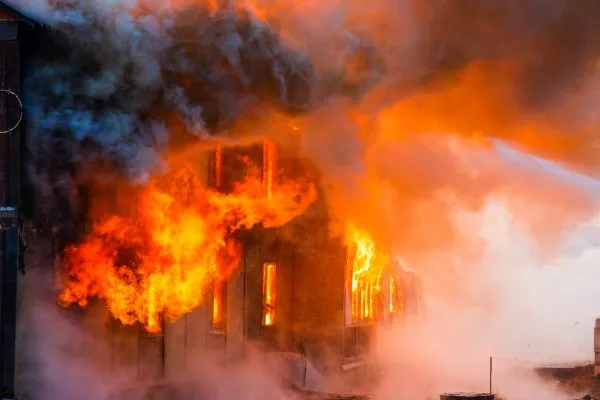
- Rapid spread of the fire
- Endangering the occupants
- Employer's civil and criminal liability
Fire prevention is a much smaller investment than the cost of a disaster.
In summary
Limiting fire risk relies on a combination of technical, organizational, and human measures. Daily vigilance, coupled with appropriate training, is the key to effective prevention.
Do you want to structure your fire prevention approach and train your teams in best practices? Our training courses will help you secure your activities and sustainably reduce your risks.