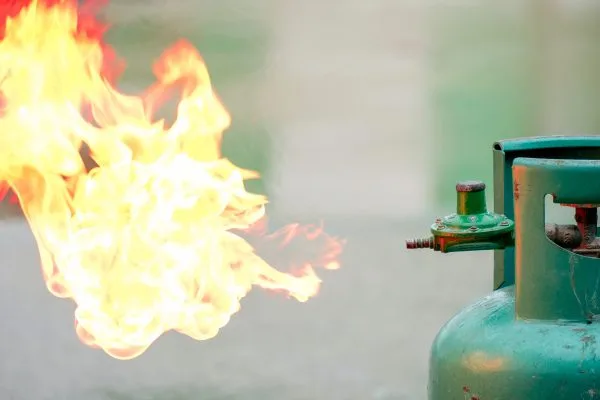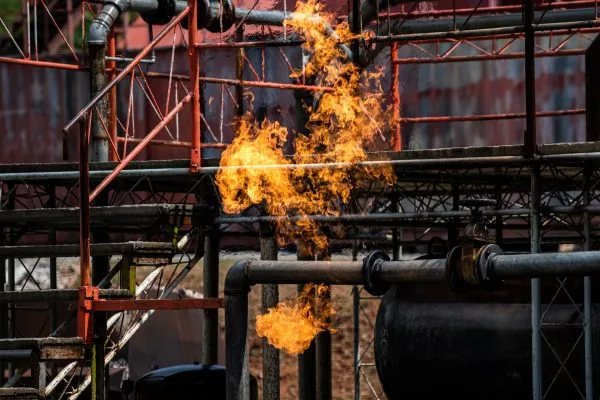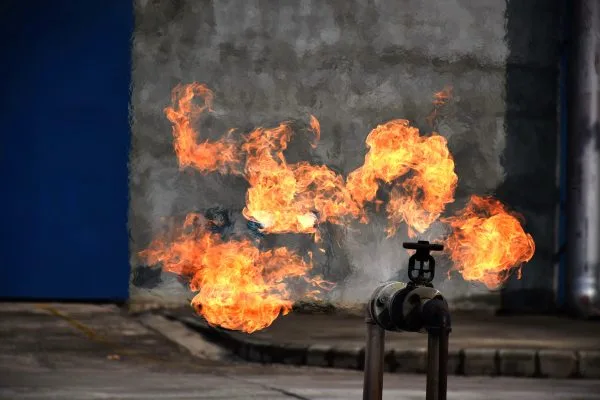



An ATEX zone (explosive atmosphere) designates an environment where flammable substances, in the form of gases, vapors or dusts, can mix with air and cause an explosion in the presence of an ignition source.
These areas are strictly regulated to protect workers. They require the implementation of specific preventative measures and the training of qualified personnel capable of intervening safely.
Which sectors are affected?
Many sectors are subject to ATEX regulations when they handle or store combustible substances. This applies to both SMEs and large companies.
These environments are found in agricultural silos, chemical or petrochemical industries, refineries, distilleries, and mines.
An explosion typically occurs when three elements are present: a flammable substance, oxygen from the air, and a source of ignition. Controlling these factors is therefore essential to minimizing risks.
ATEX zone classification
ATEX zones are classified according to the frequency and duration of the presence of the explosive risk. This classification is defined by the employer, who must analyze work situations and identify hazardous areas.
For gaseous atmospheres, the zones are divided into levels 0, 1 and 2. For combustible dust, we refer to zones 20, 21 and 22.
Zones at levels 0 and 20 correspond to a permanent or frequent risk. Levels 1 and 21 designate an occasional risk, while zones 2 and 22 concern rare or exceptional situations.
Unlike a fire, an explosion is characterized by its speed and violence. It generates a blast effect and instantaneous combustion, making it particularly dangerous.
The qualifications required to intervene
Anyone required to work in an ATEX zone must have the appropriate authorization for the level of risk and the type of intervention (electrical or mechanical).
Several levels of authorization exist.
Level 0 applies to personnel accessing hazardous areas without directly intervening on sensitive equipment. Level 1 applies to operators performing technical interventions in these environments.
Level 2 is intended for supervisors, responsible for overseeing operations and ensuring compliance with safety rules.
These authorizations help ensure that stakeholders control the risks and apply the appropriate procedures.
Equipment covered by the regulations
ATEX regulations do not only concern people, but also equipment used in these areas.
Machines, protective devices, and components must be designed to prevent any source of ignition. They are classified according to their level of protection and must bear a specific marking attesting to their conformity.
Equipment categories vary according to the risk level of the area in which they are used, in order to ensure appropriate protection.
Why is training essential?
ATEX training is mandatory for anyone working in potentially explosive atmospheres. It enables them to understand the risks, identify hazardous areas, and adopt best practices for working safely.
Regulations require employers to train their employees, implement appropriate monitoring measures, and provide suitable protective equipment.
This training is a key element of prevention, as it significantly reduces the risk of accidents and improves the control of high-danger situations.
Obtaining and renewing ATEX certification
ATEX certification is obtained after training provided by a specialized organization. It enables professionals to master safety rules, zoning, and intervention procedures in explosive environments.
Its validity period is generally three years. Refresher training is then required to keep skills up to date and to incorporate regulatory and technical changes.
Train with MD Conseil Formation
MD Conseil Formation assists companies and professionals in obtaining ATEX certifications. The training courses offered comply with regulatory requirements and are adapted to the operational realities of different sectors.
They enable participants to develop the skills necessary to intervene safely, while strengthening risk prevention within their organization.
Investing in ATEX training means protecting teams, securing installations and ensuring compliance with legal obligations.