


In the heart of the workshops where electric arcs crackle, a modern alchemy takes place between man and metal. Welders, these contemporary blacksmiths, shape our steel world at the cost of a silent battle against invisible enemies: the toxic miasmas born from their art.
Overview of the main welding techniques
TIG (Tungsten Inert Gas) welding
A prestigious welding process among techniques, TIG welding is distinguished by its non-consumable tungsten electrode, protected by an inert gas (argon or helium). This demanding method offers surgical precision, particularly valued for delicate materials such as stainless steel, aluminum, or titanium. Its main advantage lies in the exceptional quality of the weld beads produced, making it the process of choice for demanding industries (aerospace, nuclear). Although it generates little fume, it presents specific risks related to ozone emissions and intense UV radiation.
MIG (Metal Inert Gas) welding
A key technique in modern workshops, MIG welding uses a consumable electrode wire fed continuously under inert gas protection. Its speed and adaptability to automation make it a valuable tool for joining common steels and aluminum. However, this productivity comes with a significant generation of metallic fumes, requiring enhanced protective measures. It is frequently used in the automotive bodywork and industrial metal fabrication sectors.
MAG (Metal Active Gas) welding
Similar to MIG welding, MAG welding differs in its use of an active gas (generally CO₂ or argon/CO₂ mixtures). This characteristic provides increased penetration, making it particularly well-suited to carbon steels. Gaseous emissions, especially carbon monoxide, necessitate rigorous ventilation of work areas. Its primary applications include heavy industrial work and metal construction.
Arc welding with coated electrodes
A historical and universally used method, this process employs consumable electrodes whose coating transforms into a protective gas under the effect of heat. Its main advantage lies in its extreme versatility – it works on virtually all metals and in all positions, including outdoors. However, the decomposition of the coating generates fumes particularly laden with toxic elements (chromium, manganese), requiring strict respiratory protection. Despite the emergence of more modern techniques, it remains essential for maintenance work and hard-to-reach sites.
Chemical Risk
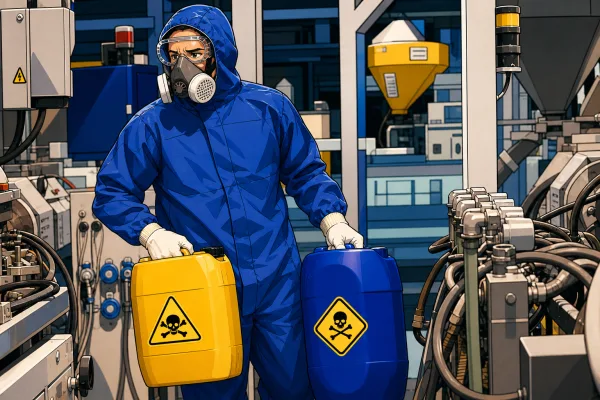
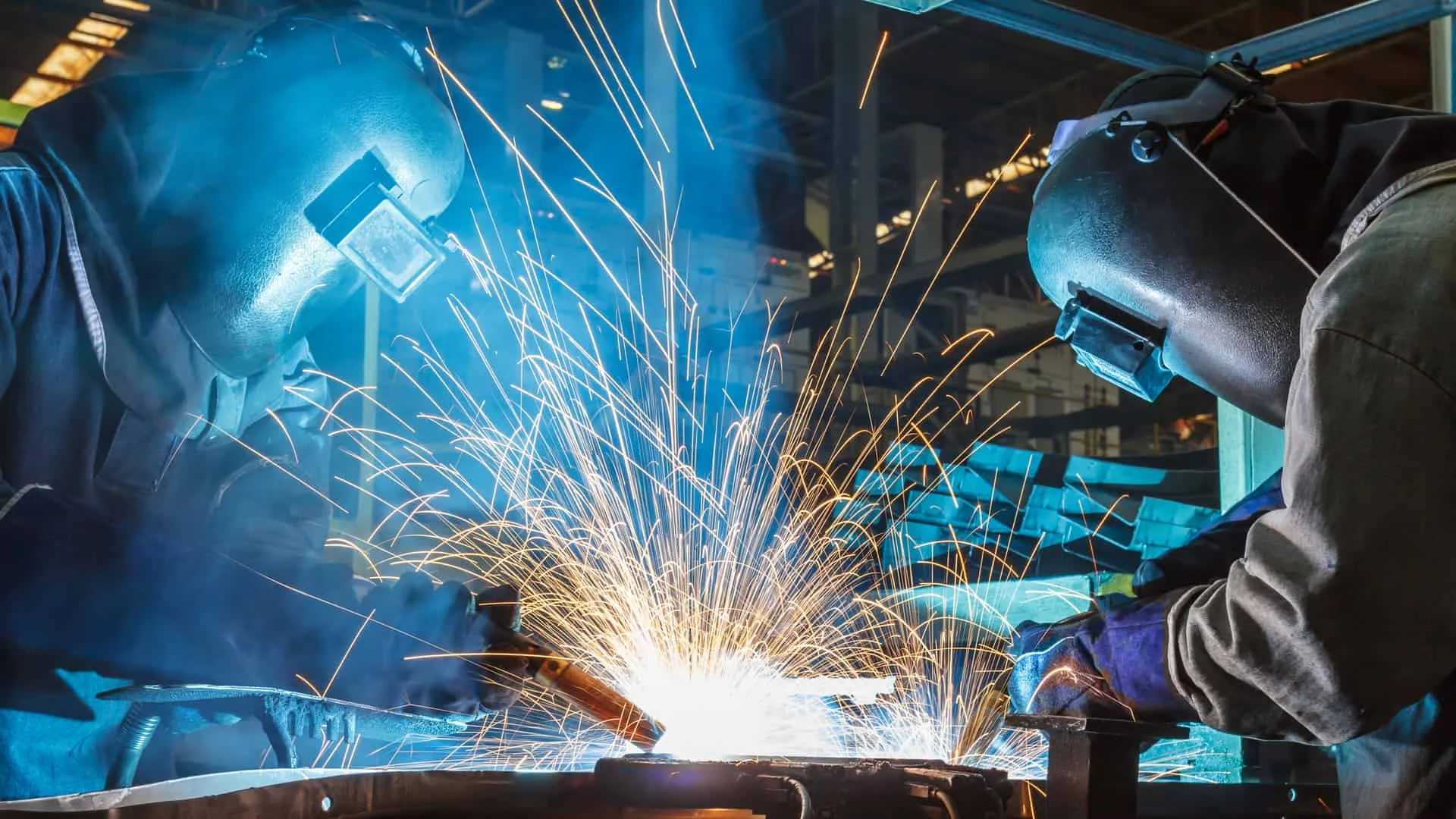
The fumes generated by welding operations constitute a complex and highly toxic mixture, composed of ultrafine particles and hazardous gases, several of which are classified as known carcinogens by the International Agency for Research on Cancer (Group 1). Their composition varies significantly depending on the processes used: welding stainless steels releases, in particular, hexavalent chromium, a particularly dangerous substance, while other techniques produce emissions of manganese, nickel, lead, or even toxic gases such as ozone and carbon monoxide, not to mention the risk of accidental formation of phosgene, which is particularly insidious.
Data from the INRS (National Research and Safety Institute for the Prevention of Occupational Accidents and Diseases) reveals an alarming situation: no fewer than 901 welding professionals are exposed to concentrations exceeding Occupational Exposure Limits (OELs). Chromium VI, strictly regulated by the decree of July 13, 2006, has its exposure threshold capped at 0.025 mg/m³ according to the binding provisions of the REACH regulation. As for manganese, recently regulated by European Directive 2017/2398, it presents major neurotoxic risks with an OEL set at 0.2 mg/m³.
The particular danger of these fumes lies in their ability to penetrate the body: PM1 particles, extremely fine, infiltrate deep into the respiratory system, potentially leading to pneumoconiosis or bronchopulmonary cancers. Technical data shows that certain processes, such as MIG/MAG or coated electrode welding, generate emissions three to five times higher than those of TIG welding (according to INRS ED 6116 studies), necessitating preventive measures tailored to each work situation.
And when the ultraviolet rays of the arc meet the residues of chlorinated solvents, phosgene is born, the combat gas that caused so much devastation during the Great War.
The Art of Prevention
Faced with these perils, welders must become reverse alchemists, transforming danger into safety.
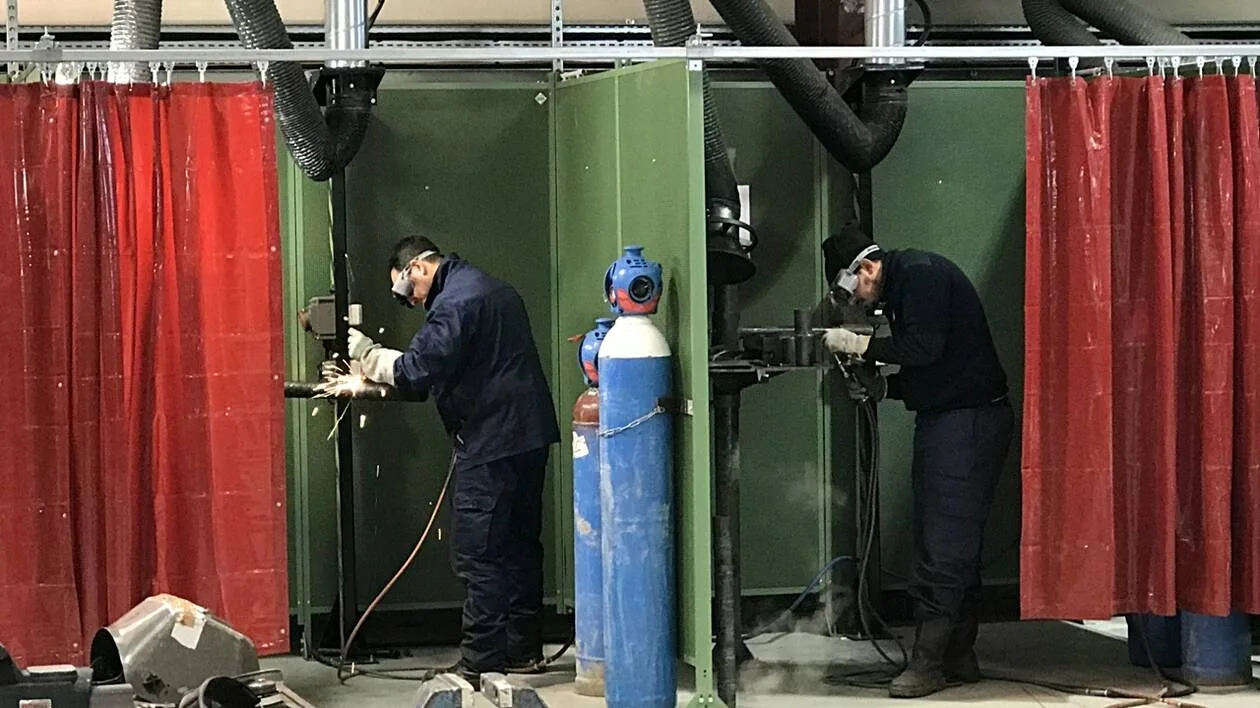
- Control of emissions at the source Installation of suitable mechanical ventilation systems, including articulated arms and extraction hoods conforming to standard NF EN 16985
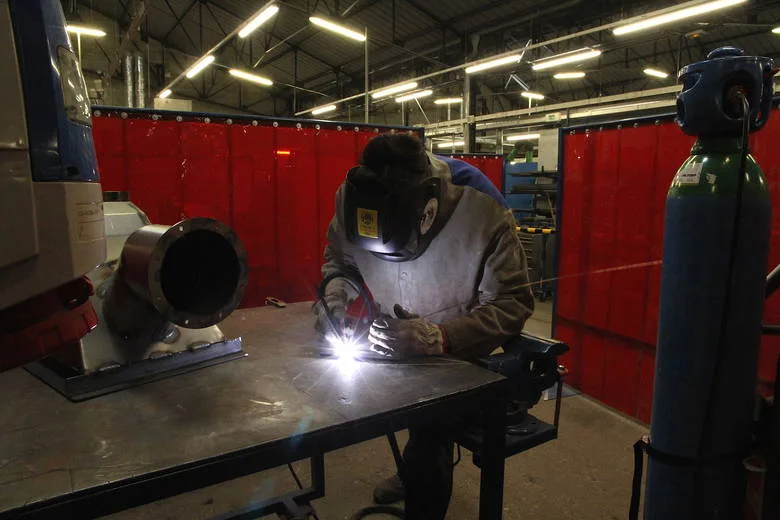
- Containment of operations Use of specially designed welding booths, meeting the requirements of Directive 2017/2398/EU
- Optimization of techniques Systematic substitution towards less emissive processes (such as choosing TIG rather than MIG/MAG)
- Process automation Use of welding robots
- Personal respiratory protection FFP3 masks for occasional use; powered air-purifying respirators (PAPRs) for prolonged work
- Advanced eye protection Face shields equipped with UV/IR filters
- Protective clothing Fire-resistant coveralls certified to EN ISO 11611, complemented by leather cuffed gloves
- Peripheral protection Installation of UV-resistant welding curtains
- Signage for risk zones Clear and visible marking of danger zones
- Specialized training Training modules specific to chemical risks
- Exposure time management : Job rotation and limitation of continuous exposure time
- Preventive maintenance Quarterly inspection of suction systems
- Secure cleaning Dry sweeping is prohibited in favor of wet sweeping methods.
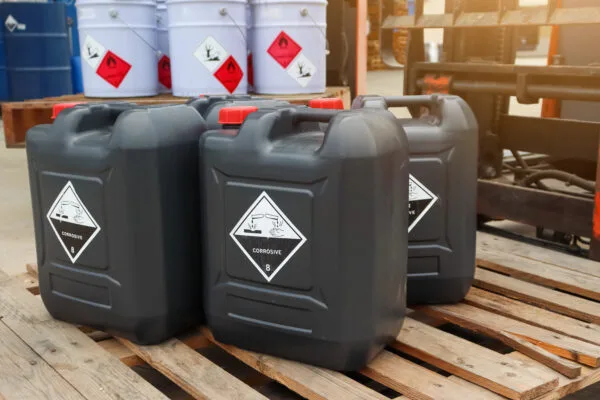
- Consumables Management Secure storage of electrodes and solvents in dedicated areas
- Environmental monitoring Regular measurements of air pollutant concentrations
- Emergency protocols : Presence of first aid equipment specifically adapted to chemical risks
- Technical documentation Job descriptions regularly updated with hazard pictograms
- Technological innovation Adoption of torches with integrated suction
Training and Vigilance
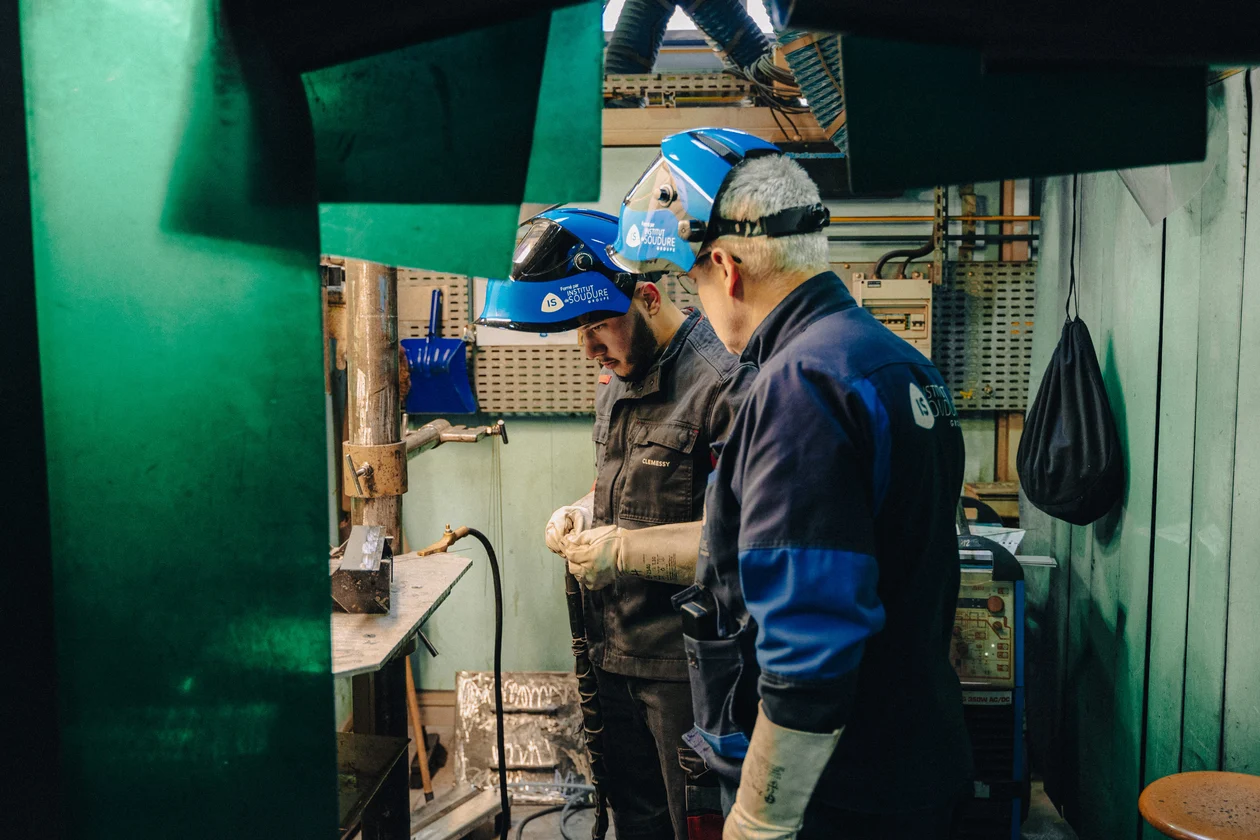
No one can claim to have mastered the art of welding safely without first undergoing a range of specialized training in occupational health and safety.
The mandatory modules, prescribed by article R. 4412-39, teach welders how to distinguish between benign and deadly fumes, how to adjust their powered air-purifying respirator (PAPR) or how to interpret the warning signs of poisoning.
Welders should also receive ATEX training to identify factors contributing to a possible explosion (when you know that acetylene is very often used in welding, this makes perfect sense) and fire training, including the handling of fire extinguishers.
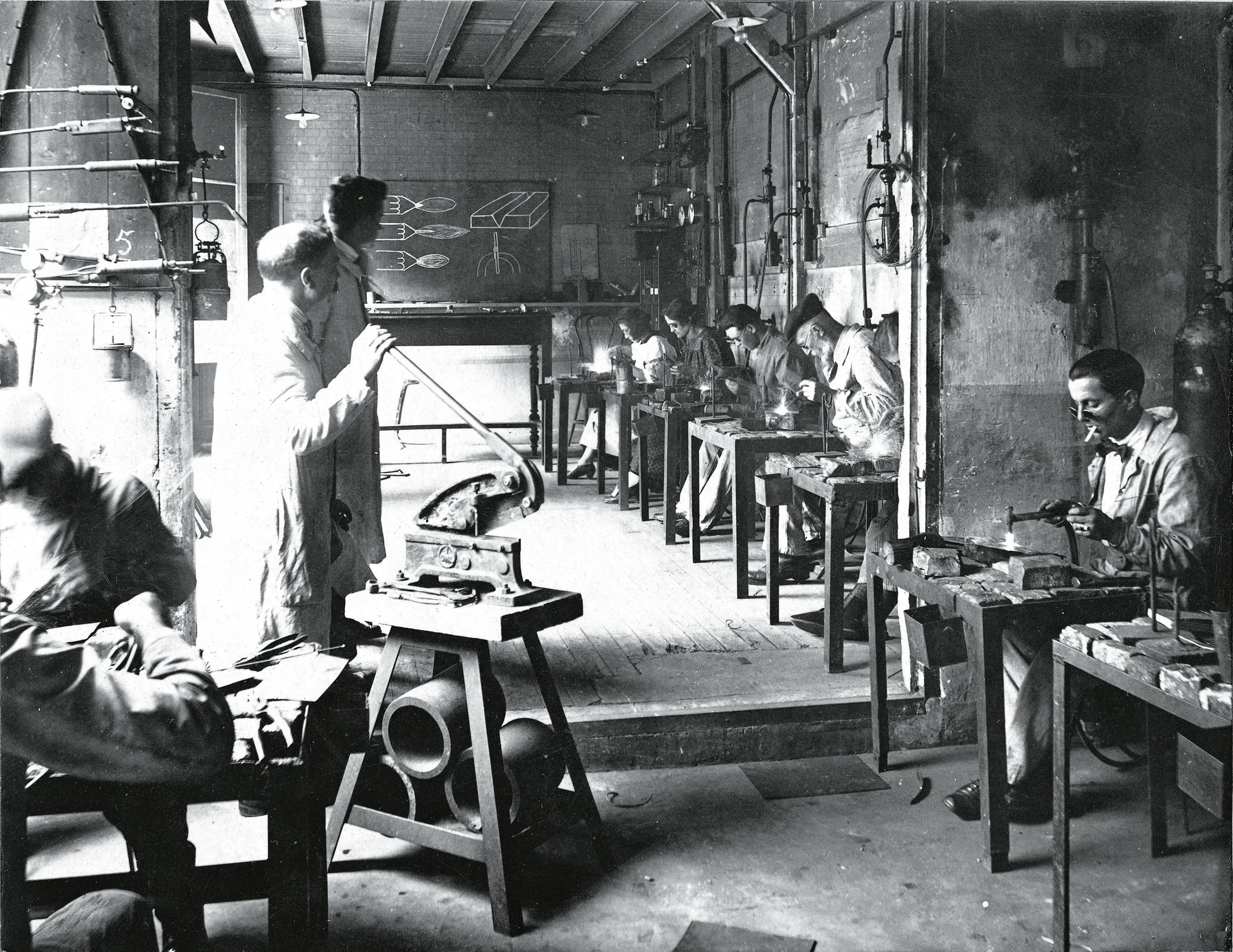
Trainers, for their part, must emphasize sacred gestures: meticulous hand washing before breaks, ritual changing of contaminated clothing, daily inspection of protective equipment.
Because, as Directive 89/391/EEC reminds us, safety is not a gift but a skill that is acquired and maintained.
Of course, the trainers themselves must have received training in prevention of fire, chemical, ATEX, and electrical risks, as well as PRAP IBC training to prevent musculoskeletal disorders.
Enhanced Medical Surveillance
Welders receive enhanced medical monitoring every six months. The occupational physician detects occupational diseases by analyzing urinary manganese levels, lung capacity, and other markers.
- Welder's pneumoconiosis
- Occupational asthma
- Bronchopulmonary cancer
- Ethmoid sinus cancer
- Manganese
- Occupational dermatitis
- Keratoconjunctivitis
- Occupational deafness
- Acute carbon monoxide poisoning
- Cognitive impairment
- Chronic welder's bronchitis
- Heavy metal nephropathies
- Chromium nasal ulcers
- Cardiovascular diseases
Regulatory monitoring mandates blood markers, breath tests, and an annual neurological examination.