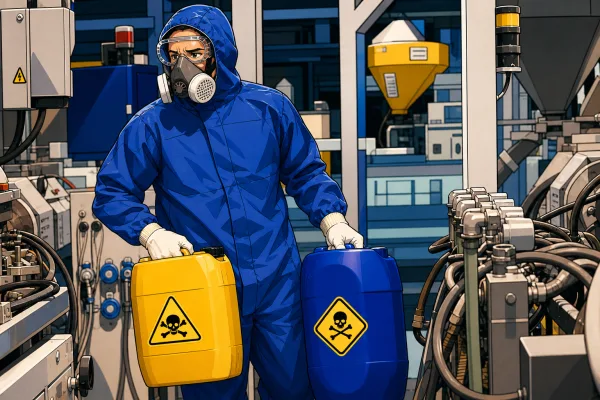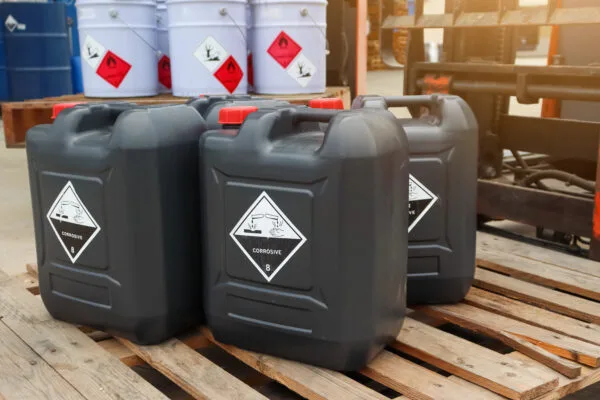



Non-destructive testing (NDT) and corrosion assessment processes play a crucial role in maintaining the integrity of welded metal structures, particularly in demanding sectors such as aerospace, nuclear, and marine engineering. While fundamental to ensuring structural reliability, these techniques expose professionals to a variety of chemical risks whose impact on health should not be underestimated.
1. Non-destructive testing techniques and corrosion assessment methods: principles and industrial applications
Non-destructive testing methodologies
Non-destructive testing (NDT) techniques comprise a set of sophisticated approaches for detecting material discontinuities without altering the inspected part. Their classification is based on distinct physical principles:
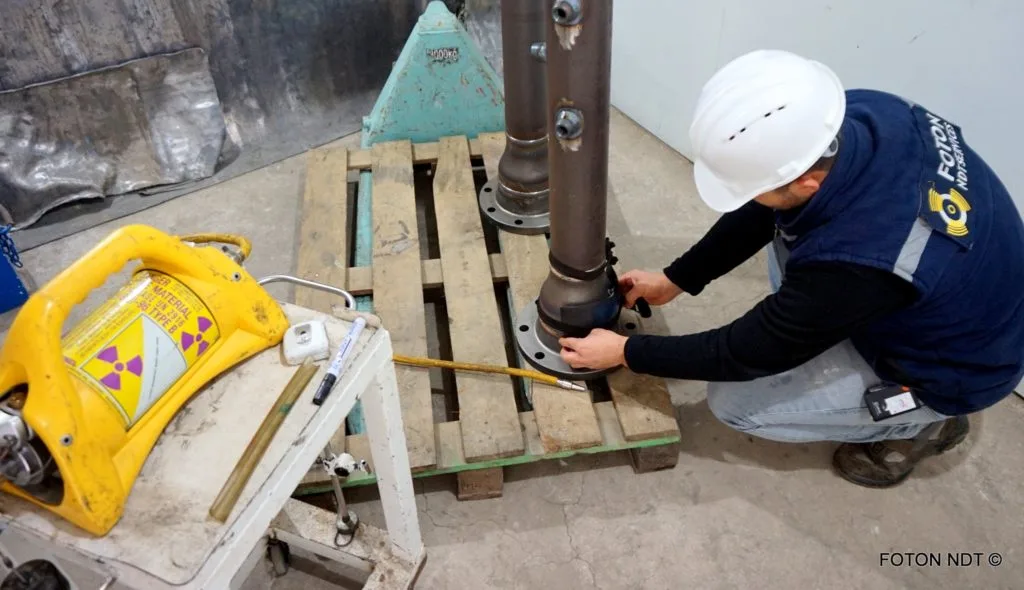
- Industrial radiography (RT) This method relies on the use of ionizing radiation, whether X-rays generated by electrical devices or gamma rays emitted by radioactive sources (iridium-192, cobalt-60). Directive 2013/59/Euratom establishes a strict framework for protection against the dangers of ionizing radiation, notably requiring the delimitation of controlled areas and the implementation of individual dosimetry for exposed personnel.
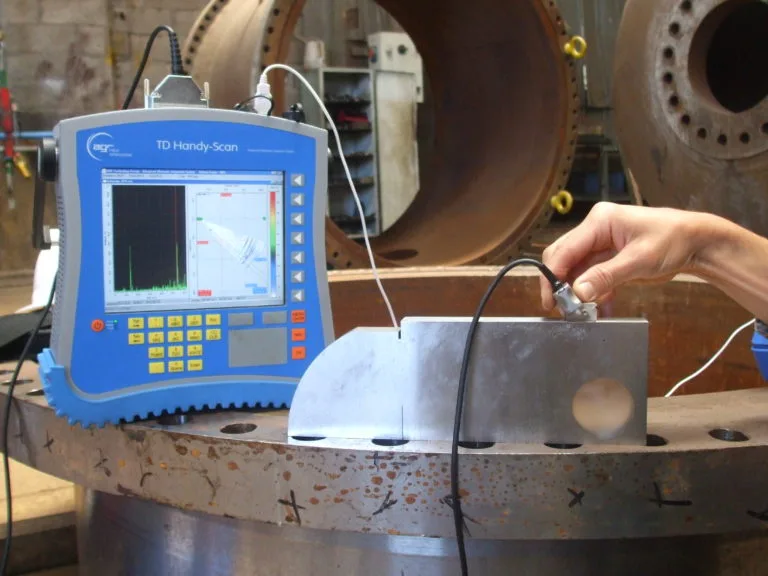
- Ultrasonic testing (UT) Based on the propagation and reflection of high-frequency acoustic waves, this technique requires the use of coupling agents, generally glycerin-based gels or special oils, which may contain additives that are potentially irritating to the skin.
- Magnetic particle inspection (MT) This method involves applying a magnetic field coupled to ferromagnetic particles, often suspended in petroleum solvents. The risks of inhaling fine dust are governed by the EN ISO 10882 standard concerning exposure to particles in the workplace.
- Dye penetrant testing (PT) The process involves three distinct phases: successively cleaning the surface, applying a penetrating liquid (colored or fluorescent), and developing the liquid. The solvents used, frequently based on toluene or xylene (substances classified as CMR), as well as trichloroethylene-based formulations, raise significant health concerns.

Corrosion assessment methods and destructive testing
Corrosion tests aim to reproduce and quantify the degradation phenomena of materials under controlled conditions:
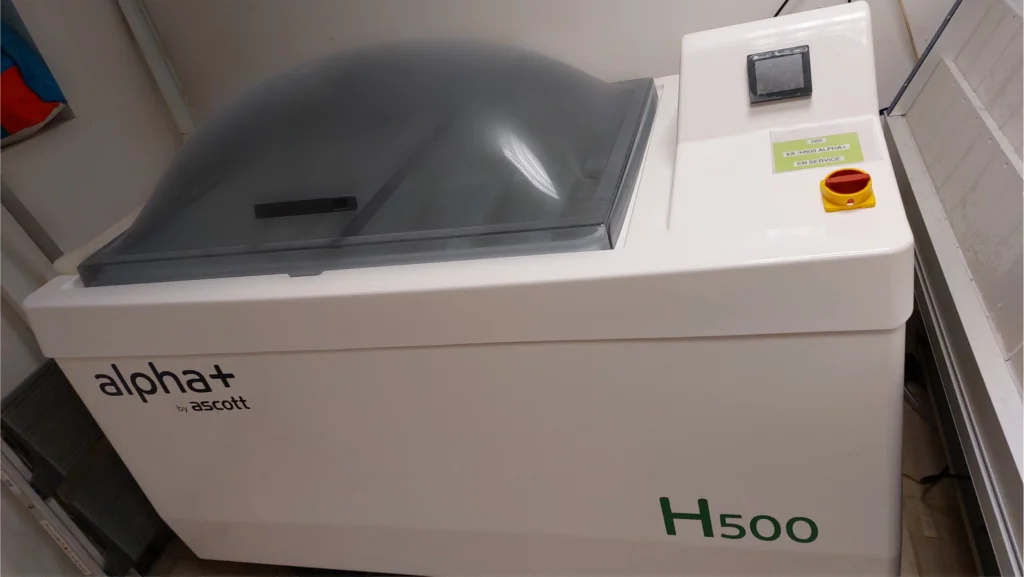
- Salt spray tests (ISO 9227 standard) This standardized approach simulates extreme marine environmental conditions using sprayed saline solutions. Although primarily using 5% sodium chloride, these tests present risks of equipment corrosion and skin irritation for operators.
- Electrochemical techniques Polarization methods and corrosion resistance measurements involve the use of electrolytes that are frequently acidic (H₂SO₄, HCl) or basic (NaOH), requiring special handling precautions.
- Metallographic examinations The preparation of samples for microstructural analysis involves polishing procedures using abrasive pastes (alumina, diamond) and particularly corrosive microstructural revealing reagents (nitral, picral).
2. Hazardous chemical substances: identification and risk assessment
- Industrial radiography : use of radioactive sources (iridium 192, cobalt 60) generating a risk of external exposure to ionizing radiation
- Dye penetrant testing : use of penetrants based on aromatic solvents (toluene, xylene), cleaners containing chlorinated compounds, and powdered developers
- Magnetic particle inspection : intervention of ferromagnetic particles (iron oxide Fe3O4) and hydrocarbon or aqueous vectors
- Ultrasound examination : use of glycerin-based couplants and cleaning solutions
Inventory of the main chemical agents in NDT
The following table presents a summary of the most commonly encountered substances:
| Substance | Nature of the risk | Classification (CLP) | VLEP (France) |
|---|---|---|---|
| Toluene | Neurotoxicity, reproductive toxicity | H361d, H372 | 50 ppm (8h) |
| Xylene | Irritation, narcotic effects | H226, H312, H332 | 50 ppm (8h) |
| Trichloroethylene | Carcinogenicity (cat. 1B) | H350 | 10 ppm (8h) |
| Perchloroethylene | Hepatotoxicity | H351 | 20 ppm (8h) |
Analysis of exposure pathways
| Route of contamination | Products concerned | Immediate effects | Long-term consequences |
|---|---|---|---|
| Inhalation | Organic solvents, dust | Mucous membrane irritations | Neurological damage, pulmonary fibrosis |
| Skin contact | Acids, solvents | Chemical burns, dermatitis | Chronic eczema, sensitivities |
| Accidental ingestion | All products | Gastrointestinal disorders | Liver and kidney damage |
| Eye projection | Corrosive liquids | Acute conjunctivitis | Vision problems |
Corrosive products in welding tests
While effective, chromate-based corrosion inhibitors pose significant health risks. Their use is strictly regulated by the REACH regulation (Annex XVII) and the RoHS directive (2011/65/EU), with increasingly stringent restrictions on their use.
Mineral acids (HCl, HNO₃, H₂SO₄), essential for certain tests, require specific storage conditions in accordance with the decree of March 1, 2024 relating to the storage of hazardous chemicals.
3. Prevention strategies: an integrated approach
Engineering measures
Ventilation is the first line of defense against chemical pollutants. Source capture systems, compliant with standard NF EN 1093, should be prioritized. For dust, filtration systems meeting standard EN 149 are mandatory.
Replacing the most dangerous substances represents a sustainable solution. The replacement of trichloroethylene with less toxic alternatives (d-limonene) or the adoption of less volatile aqueous penetrants demonstrate this.
Personal protective equipment
The selection of PPE must be based on a rigorous risk analysis:
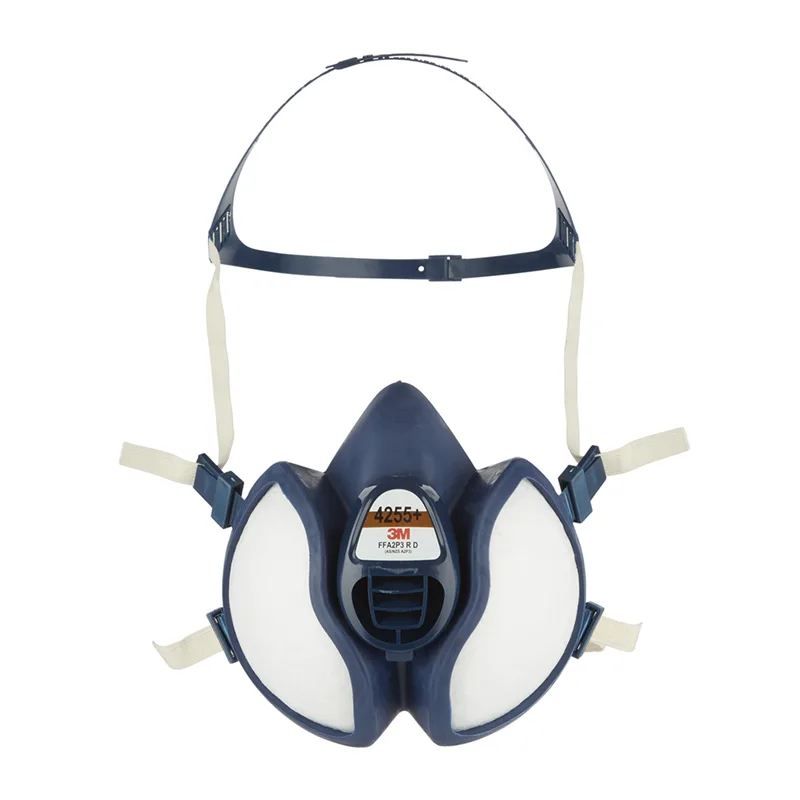
- Respiratory protection : FFP3 masks (EN 149) for dust and cartridge devices (EN 140) for organic vapors are suitable solutions.
- Skin protection Nitrile gloves (EN 374-3) and type 4 coveralls (EN 14605) offer an effective barrier against chemicals.
4. Medical monitoring and exposure management
Medical follow-up program
Biological monitoring should include urine testing for heavy metals and hematological parameters for benzene exposure. Respiratory function tests are required for personnel exposed to dust.
Emergency management
The facilities must include eyewash equipment and safety showers conforming to ANSI/ISEA Z358.1. Accidental exposure response procedures must be regularly tested.
Conclusion
Managing chemical risks in NDT and corrosion assessment activities requires a systemic approach that integrates technical, organizational, and medical dimensions. Evolving regulations, particularly under the REACH regulation, necessitate constant vigilance regarding the use of chemical substances.
Research should focus on developing less hazardous alternative methods and improving collective protection systems. Ongoing training for operators remains a key element for effective occupational risk prevention in this sector.