


For a long time, heat in the workplace was treated as a seasonal issue: a few reminders, bottles of water, and impromptu adjustments. Since 2025, the framework has changed: the prevention of risks related to episodes of intense heat is strengthened in the Labor Code, and the expected measures are no longer merely recommendations.
For a leader or manager, it's tempting to see heat as a logistical constraint. In reality, it's a matter of security and performance. Heat increases fatigue, reduces alertness, promotes errors and accidents, and amplifies certain existing risks (handling, vehicle operation, working at heights, wearing PPE, working alongside others). The “heat plan” is therefore not a mere formality: it is a matter of protecting the workforce and ensuring business continuity.
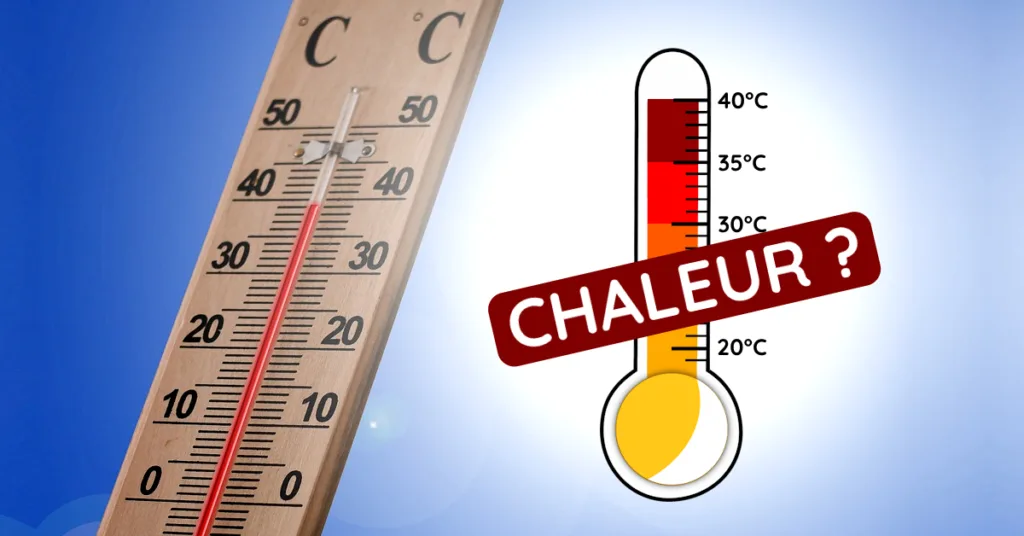
The first step is to integrate heat into the risk assessment, taking a "real-world work" approach. The affected work areas aren't limited to outdoor locations: poorly ventilated workshops, rooms with heat-generating machinery, logistics zones, cabins, rooftop work, maintenance, and even some exposed offices can be impacted. The key is to focus on "exposure," not just the weather.
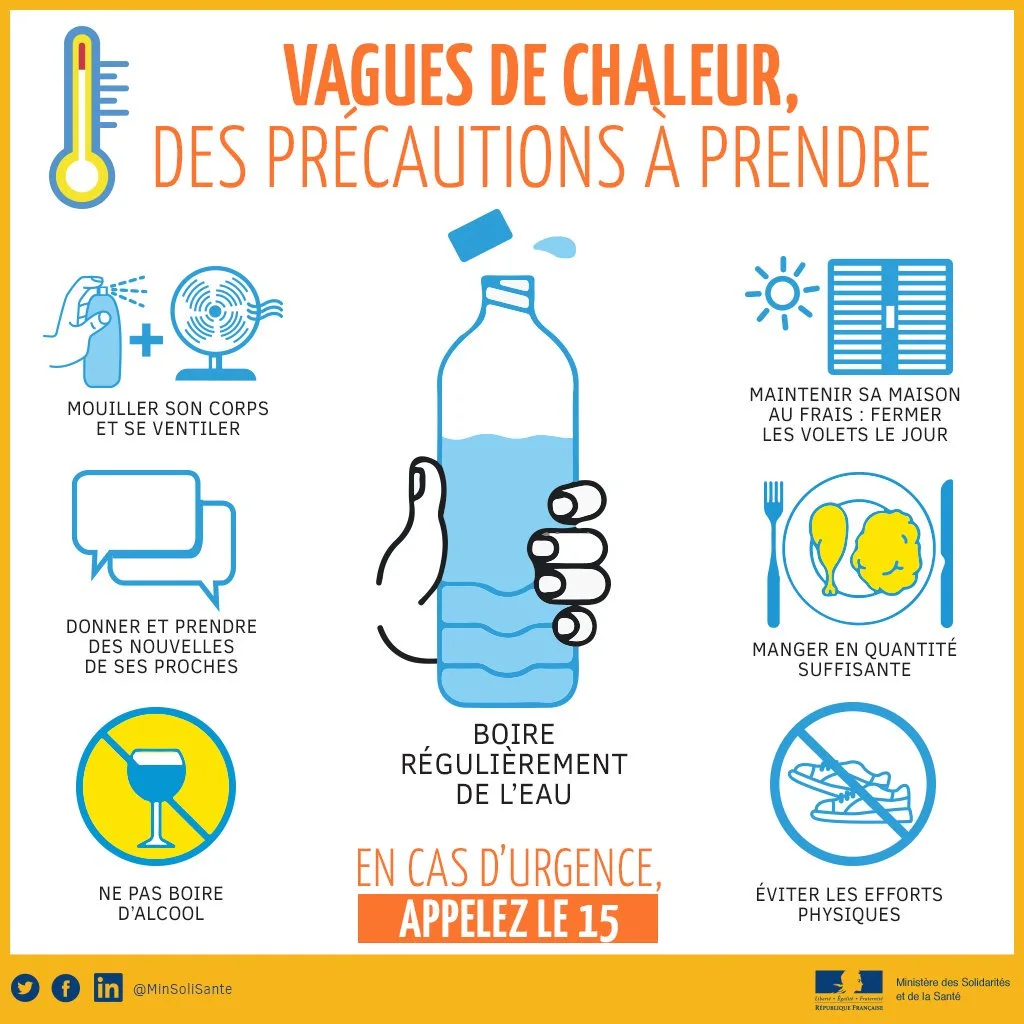
Next, the heat plan must be operational, meaning that managers can implement it without improvisation. This involves defining in advance what changes when the heat arrives: adjusting work schedules, reorganizing strenuous tasks, providing additional breaks, ensuring access to water and the ability to keep it cool near workstations, adapting resources (ventilation, shade, recovery areas), establishing simple instructions, monitoring warning signs, and ensuring the right to raise an alert. The decree specifically includes requirements for access to fresh drinking water and preventative measures during periods of intense heat.
The critical point, as is often the case in HSE, is managerial consistency. A heat plan becomes useless if the organization sends contradictory instructions: “We're implementing breaks” but “We have to meet the deadline.” Here, management's role is to make the trade-off explicit: protecting people takes precedence, and schedule adjustments are part of normal management. It's also a powerful cultural signal: a company that protects during periods of stress gains trust, and therefore commitment.
Finally, an effective heat plan is informed by lessons learned. After each heatwave, a brief review is conducted: what worked well, what went wrong, which areas were most exposed, which measures were insufficient, and what investments are needed. In just two summers, a company can go from improvising to truly effective management.
Conclusion
Since 2025, heat is no longer a secondary issue. It's an occupational risk that must be addressed with concrete measures. Organizations that treat their heat plan as an HSE standard will improve safety and operational resilience.