
Integrating ESG criteria into governance: a key role for HR and operational managers
- Marc Duvollet
- Feb 25
- 7 min read

Integrating ESG criteria – environmental, social, and governance – into corporate life is no longer a matter of communication or goodwill. Under pressure from investors, regulators, and customers, these criteria are gradually permeating strategic decisions, investment policies, and management styles. Yet, in many organizations, they remain confined to annual reports and institutional presentations, without fundamentally transforming governance. However, it is the decision-making bodies – the board of directors, executive committee, and management committee – that determine how these issues permeate, or do not permeate, all business functions.

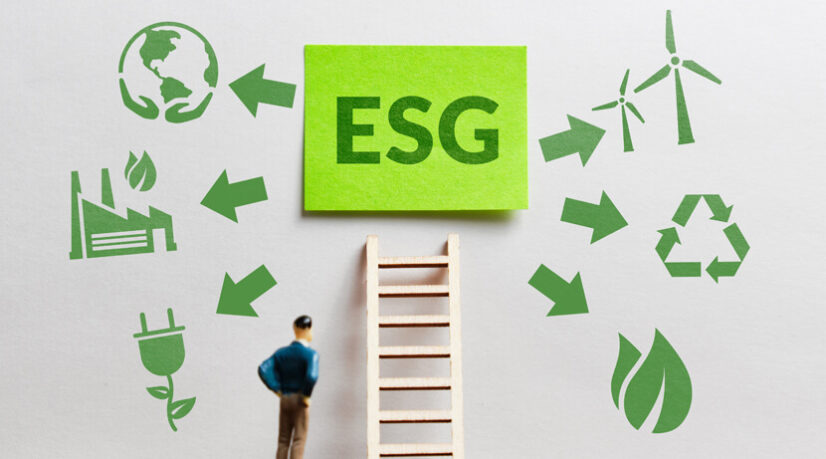
ESG is not a homogenous entity. The “E” pillar refers to environmental impacts: greenhouse gas emissions, energy consumption, water and waste management, biodiversity conservation, and resilience to climate risks. The “S” pillar covers the social dimension: occupational health and safety, working conditions, social climate, dialogue with stakeholders, respect for human rights, and diversity and inclusion. The “G” pillar relates to governance: transparency, business ethics, the structure of governing bodies, internal controls, and executive compensation. These are all issues that cannot be addressed by a single function but require a collective commitment from senior management and ownership by managers.
The first step for a governance structure that truly wants to integrate ESG is to clarify what these criteria mean for the company, taking into account its sector, size, and geographic location. Heavy industry does not ask the same questions as a digital services company; a regional SME will not be subject to the same expectations as a listed group. It is therefore essential that the board of directors and the executive committee identify the truly tangible ESG issues for their business: reducing carbon footprint, preventing serious accidents, addressing psychosocial risks, managing end-of-career transitions, ensuring supply chain transparency, combating corruption, and so on. This clarification is the prerequisite for avoiding a mere accumulation of generic commitments disconnected from reality.
Once these priority issues are defined, integration into governance relies on three main levers: strategy, decision-making processes, and management. Strategically, this involves translating ESG issues into concrete actions: choosing more sustainable and secure investments, repositioning certain activities that are too risky from an environmental or social perspective, and developing new offerings that meet the expectations of customers more attentive to the impact of their purchases. In terms of decision-making, ESG criteria must be taken into account in proposals presented to investment committees, management committees, and boards. Every significant project should include an analysis of ESG risks and opportunities, and not just a financial business plan.
Next comes the question of management. Responsible governance must equip itself with indicators to track progress over time: trends in accident rates, employee engagement levels, carbon footprint, exposure to certain compliance risks, number of ethical alerts addressed, and so on. These indicators should not exist alongside financial figures, but rather alongside them, in the same dashboards, during the same performance reviews. It is this convergence of economic performance and ESG performance that allows, gradually, a shift from a "cost" culture to a "total value" culture.
In this transformation, HR plays a central role. It is at the crossroads of numerous ESG issues, particularly social ones: occupational health and safety, quality of life and working conditions, diversity, gender equality, skills development related to the ecological transition, and support for change management. HR is the one that can bridge the gap between governance decisions and their implementation in daily management practices. Integrating ESG criteria into managers' job descriptions, recruitment processes, annual and professional reviews, and training programs gives substance to the strategic directions decided at the highest level.
Operational managers, for their part, make these guidelines tangible for their teams. They are the ones who arbitrate between time, cost, and safety; who organize work; who encourage or discourage employee input; who ensure compliance with procedures; and who encourage the reporting of concerns. When management sets clear objectives for them regarding safety, social climate, and reducing environmental impact, and when these objectives are accompanied by resources, training, and support, they become powerful drivers of the ESG approach. Conversely, if they are evaluated solely on productivity or financial performance indicators, ESG messages will remain abstract.

This highlights the structuring role of performance appraisal and compensation systems. As long as the variable compensation of senior executives and managers remains disconnected from ESG issues, these issues will continue to be perceived as secondary. Many companies have begun to correct this by integrating objectives related to safety, employee satisfaction, carbon footprint reduction, and ethical compliance into variable compensation, at least as a portion of their pay. This evolution, far from being symbolic, sends a very concrete signal: what matters to the company is no longer limited to short-term financial performance.
Integrating ESG criteria into governance does not mean making life more complicated for executives and managers, or turning everyone into climate or international social law experts. Rather, it means equipping the company with more comprehensive analytical frameworks, enabling better, more robust decision-making in the face of regulatory changes, crises, and the expectations of customers and employees. It is also a way to anticipate rather than react: anticipating future environmental regulations, potential social tensions, and reputational risks associated with certain practices in the value chain.
In this process, dialogue between governance, HR, and managers is essential. Governance sets the course and requirements; HR translates these requirements into concrete policies; and managers relays the realities of constraints, needs, and results. It is from this continuous feedback loop that truly ESG governance emerges, capable of sustainably integrating economic, social, and environmental performance.
Integrating ESG criteria – environmental, social, and governance – into corporate life is no longer a matter of communication or goodwill. Under pressure from investors, regulators, and customers, these criteria are gradually permeating strategic decisions, investment policies, and management styles. Yet, in many organizations, they remain confined to annual reports and institutional presentations, without fundamentally transforming governance. However, it is the decision-making bodies – the board of directors, executive committee, and management committee – that determine how these issues permeate, or do not permeate, all business functions.
ESG is not a homogenous entity. The “E” pillar refers to environmental impacts: greenhouse gas emissions, energy consumption, water and waste management, biodiversity conservation, and resilience to climate risks. The “S” pillar covers the social dimension: occupational health and safety, working conditions, social climate, dialogue with stakeholders, respect for human rights, and diversity and inclusion. The “G” pillar relates to governance: transparency, business ethics, the structure of governing bodies, internal controls, and executive compensation. These are all issues that cannot be addressed by a single function but require a collective commitment from senior management and ownership by managers.
The first step for a governance structure that truly wants to integrate ESG is to clarify what these criteria mean for the company, taking into account its sector, size, and geographic location. Heavy industry does not ask the same questions as a digital services company; a regional SME will not be subject to the same expectations as a listed group. It is therefore essential that the board of directors and the executive committee identify the truly tangible ESG issues for their business: reducing carbon footprint, preventing serious accidents, addressing psychosocial risks, managing end-of-career transitions, ensuring supply chain transparency, combating corruption, and so on. This clarification is the prerequisite for avoiding a mere accumulation of generic commitments disconnected from reality.
Once these priority issues are defined, integration into governance relies on three main levers: strategy, decision-making processes, and management. Strategically, this involves translating ESG issues into concrete actions: choosing more sustainable and secure investments, repositioning certain activities that are too risky from an environmental or social perspective, and developing new offerings that meet the expectations of customers more attentive to the impact of their purchases. In terms of decision-making, ESG criteria must be taken into account in proposals presented to investment committees, management committees, and boards. Every significant project should include an analysis of ESG risks and opportunities, and not just a financial business plan.
Next comes the question of management. Responsible governance must equip itself with indicators to track progress over time: trends in accident rates, employee engagement levels, carbon footprint, exposure to certain compliance risks, number of ethical alerts addressed, and so on. These indicators should not exist alongside financial figures, but rather alongside them, in the same dashboards, during the same performance reviews. It is this convergence of economic performance and ESG performance that allows, gradually, a shift from a "cost" culture to a "total value" culture.
In this transformation, HR plays a central role. It is at the crossroads of numerous ESG issues, particularly social ones: occupational health and safety, quality of life and working conditions, diversity, gender equality, skills development related to the ecological transition, and support for change management. HR is the one that can bridge the gap between governance decisions and their implementation in daily management practices. Integrating ESG criteria into managers' job descriptions, recruitment processes, annual and professional reviews, and training programs gives substance to the strategic directions decided at the highest level.
Operational managers, for their part, make these guidelines tangible for their teams. They are the ones who arbitrate between time, cost, and safety; who organize work; who encourage or discourage employee input; who ensure compliance with procedures; and who encourage the reporting of concerns. When management sets clear objectives for them regarding safety, social climate, and reducing environmental impact, and when these objectives are accompanied by resources, training, and support, they become powerful drivers of the ESG approach. Conversely, if they are evaluated solely on productivity or financial performance indicators, ESG messages will remain abstract.
This highlights the structuring role of performance appraisal and compensation systems. As long as the variable compensation of senior executives and managers remains disconnected from ESG issues, these issues will continue to be perceived as secondary. Many companies have begun to correct this by integrating objectives related to safety, employee satisfaction, carbon footprint reduction, and ethical compliance into variable compensation, at least as a portion of their pay. This evolution, far from being symbolic, sends a very concrete signal: what matters to the company is no longer limited to short-term financial performance.
Integrating ESG criteria into governance does not mean making life more complicated for executives and managers, or turning everyone into climate or international social law experts. Rather, it means equipping the company with more comprehensive analytical frameworks, enabling better, more robust decision-making in the face of regulatory changes, crises, and the expectations of customers and employees. It is also a way to anticipate rather than react: anticipating future environmental regulations, potential social tensions, and reputational risks associated with certain practices in the value chain.
In this process, dialogue between governance, HR, and managers is essential. Governance sets the course and requirements; HR translates these requirements into concrete policies; and managers relays the realities of constraints, needs, and results. It is from this continuous feedback loop that truly ESG governance emerges, capable of sustainably integrating economic, social, and environmental performance.


Comments